
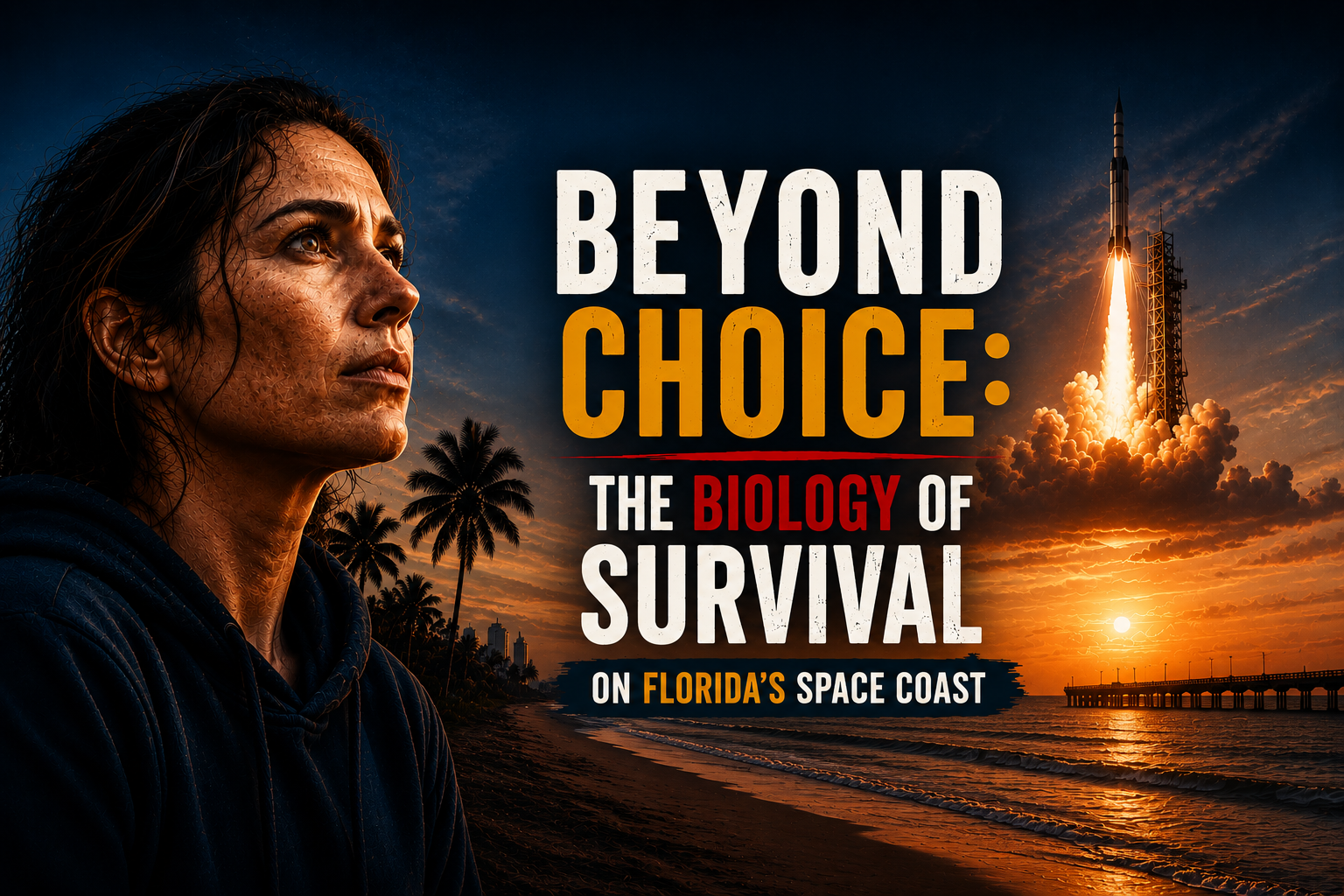
Beyond Choice: The Biology of Survival on Florida’s Space Coast
Homelessness is often framed as a personal failure. But on Florida’s Space Coast, survival itself becomes a biological burden. Through interviews, public health research, and investigative analysis, this article explores how chronic stress, sleep deprivation, heat exposure, and instability reshape the human body and mind—revealing a reality that goes far beyond choice.
⚡ Introduction: More Than a Lack of Housing
Homelessness is often discussed as a moral failure, a personal mistake, or a consequence of bad decisions.
But that narrative ignores a deeper reality.
Because once someone loses stable housing, the issue is no longer only social or economic.
It becomes biological.
The human body was not designed for continuous survival stress:
interrupted sleep
extreme heat exposure
chronic uncertainty
lack of safety
malnutrition
emotional exhaustion
Yet for many people experiencing homelessness, especially in areas like Florida’s Space Coast, those conditions become daily life.
According to the U.S. Department of Housing and Urban Development, more than 770,000 people experienced homelessness in the United States during a single night count in 2024, while public health researchers increasingly recognize housing instability as a major determinant of long-term physical and mental health outcomes.
This investigation examines homelessness not simply as a social condition—but as a sustained state of biological stress.
🧠 Survival Mode: What Chronic Stress Does to the Body
When people lose stable shelter, the brain enters survival mode.
The body begins prioritizing immediate safety over long-term recovery.
Researchers describe this process through the concept of allostatic load — the cumulative physiological wear caused by chronic stress exposure.
Chronic stress can affect multiple body systems, including the nervous, endocrine, cardiovascular, gastrointestinal, and immune systems, according to the CDC/ATSDR Community Stress Resource Center.
In practical terms, prolonged stress can contribute to:
difficulty concentrating
disrupted sleep
emotional strain
physical exhaustion
worsening health over time
People interviewed for this article repeatedly described a constant state of alertness:
fear of theft
fear of violence
inability to relax
inability to truly sleep
One interviewee summarized it simply:
“We are currently between trespasses”
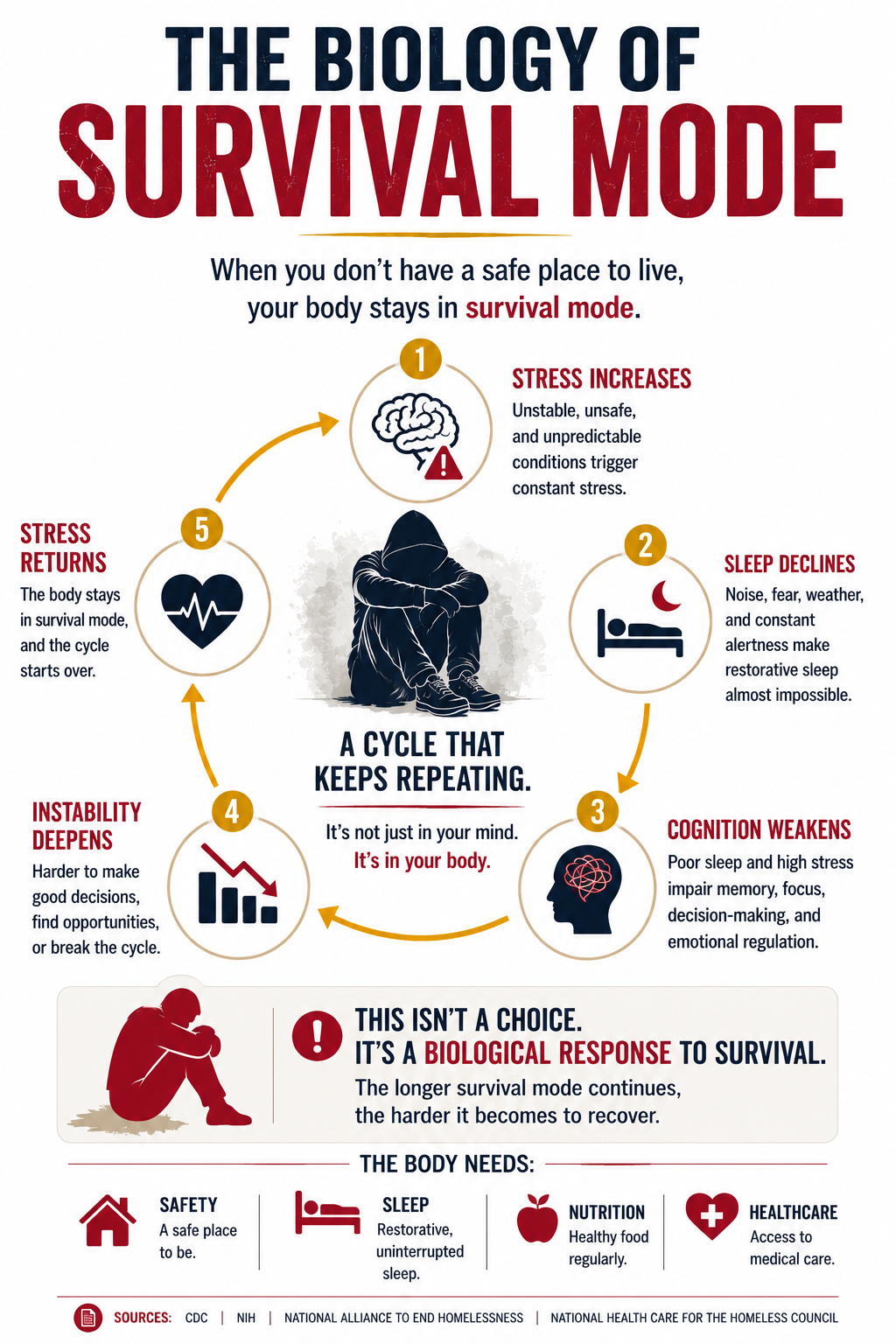
The cycle is self-reinforcing:
stress increases
sleep declines
cognition weakens
instability deepens
stress returns
Over time, the body remains trapped in continuous survival mode.
😴 Sleep Deprivation and Cognitive Decline
Sleep is one of the first things to disappear during homelessness.
Noise, safety concerns, police displacement, weather exposure, and constant vigilance make restorative sleep nearly impossible.
According to the Centers for Disease Control and Prevention, sleep deprivation impairs:
memory
concentration
judgment
emotional regulation
reaction time
For people trying to survive outdoors, these effects compound rapidly.
Interviewees repeatedly described exhaustion:
sleeping in fragments
waking constantly
staying alert to avoid theft or violence
functioning on minimal rest
One interviewee stated:
“It’s hard to find somewhere to sleep and not be harassed and be safe”
Another described survival as:
“Always trying to make it through the next day.”
🌡️ Florida Exposure: Heat by Day, Cold by Night
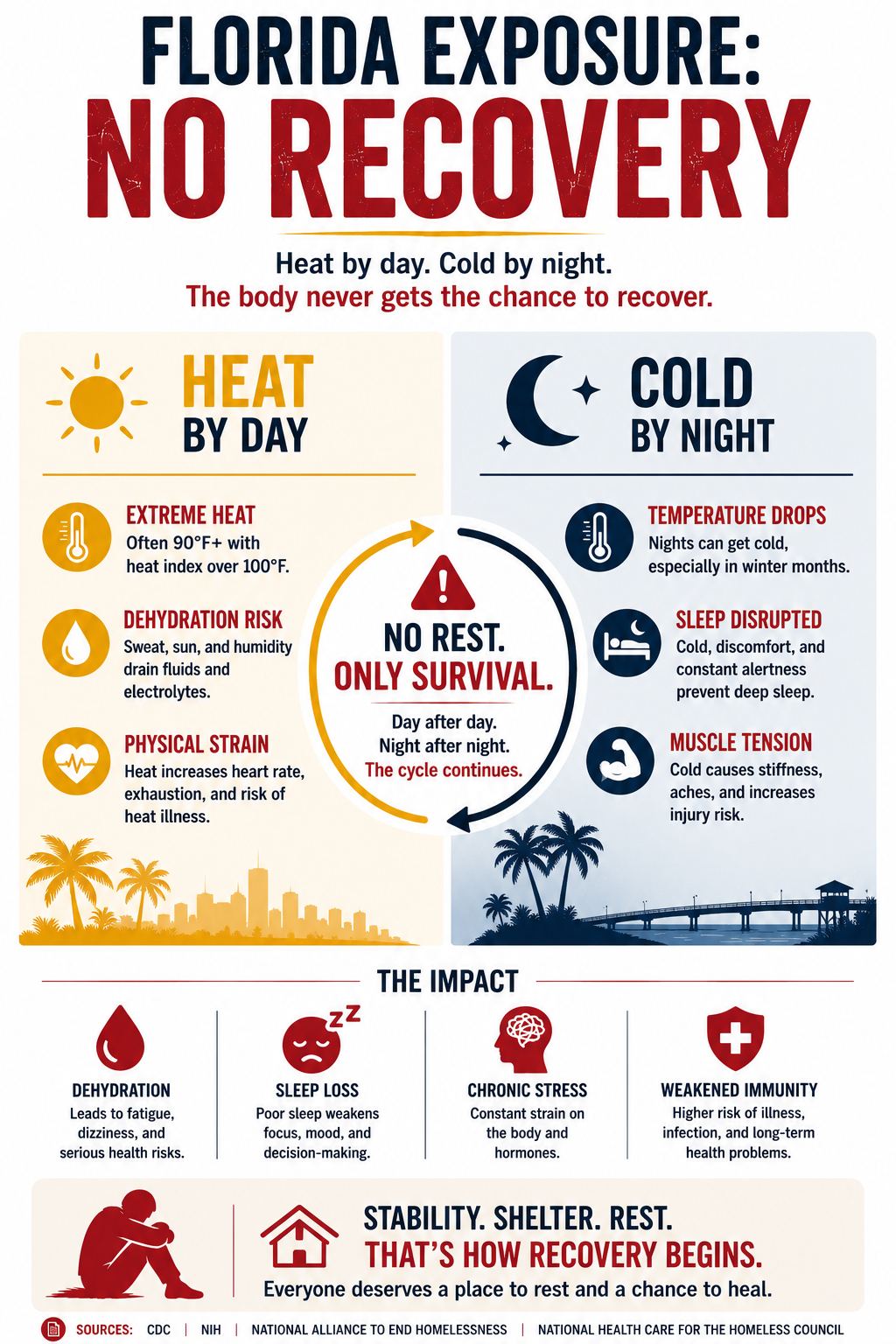
Florida’s climate intensifies the physical strain of homelessness.
During summer:
temperatures frequently exceed 90°F
humidity pushes heat indexes above 100°F
dehydration becomes a constant risk
According to the Centers for Disease Control and Prevention, prolonged heat exposure can lead to:
exhaustion
cardiovascular strain
impaired cognition
heat illness
But even winter nights matter.
On Florida’s Space Coast, colder nighttime temperatures create additional sleep disruption and physiological stress—especially without adequate shelter or insulation.
The result is a cycle of:
heat exposure by day
cold exposure by night
interrupted recovery
chronic exhaustion
🫀 Survival Changes the Body
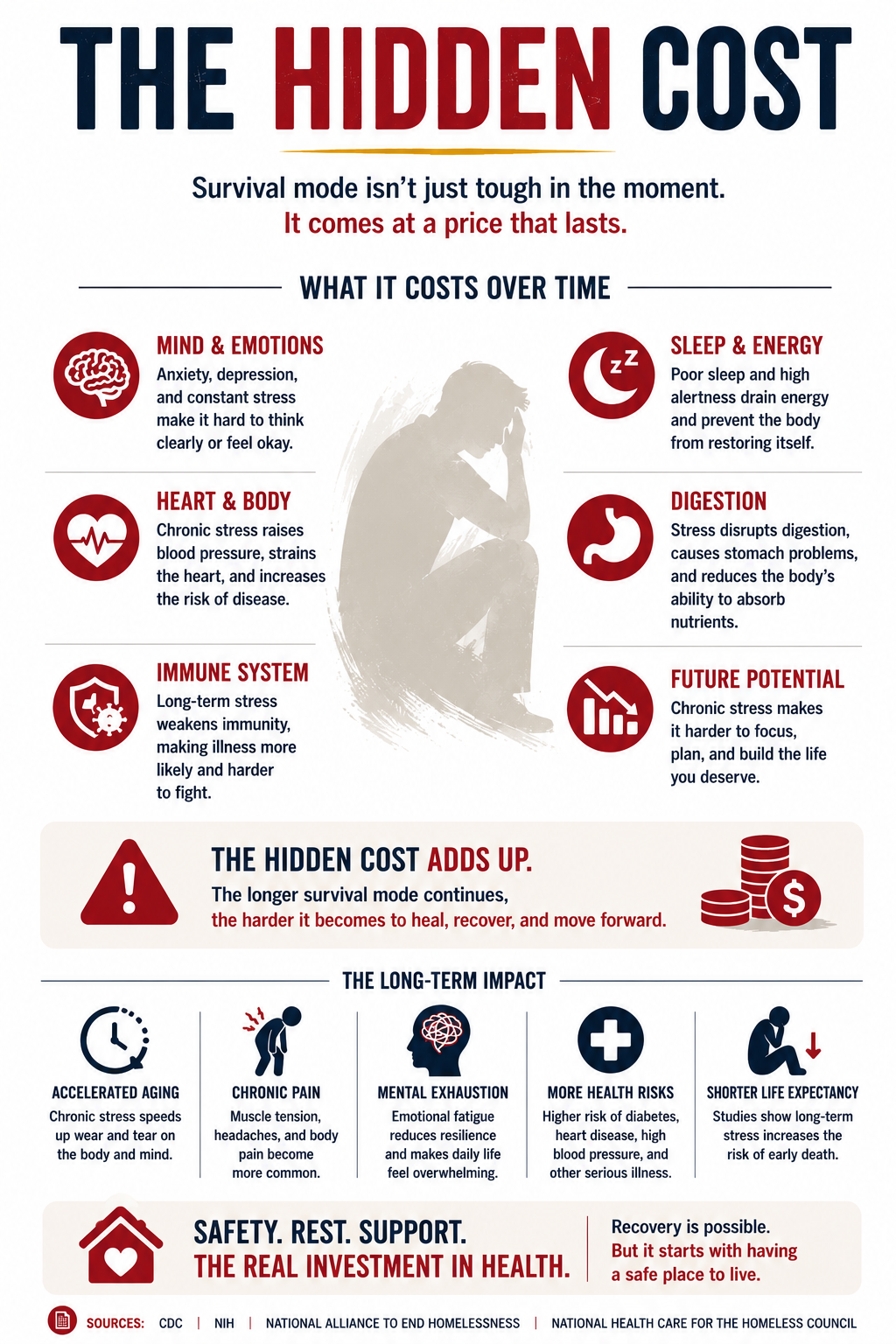
The physical effects of prolonged homelessness are measurable.
Research consistently shows elevated rates of:
chronic illness
cardiovascular disease
respiratory problems
anxiety and depression
weakened immune response
Without:
stable sleep
consistent nutrition
hygiene access
physical safety
…the body struggles to recover.
Researchers from the National Institutes of Health have linked prolonged stress exposure to accelerated biological aging and long-term inflammatory damage.
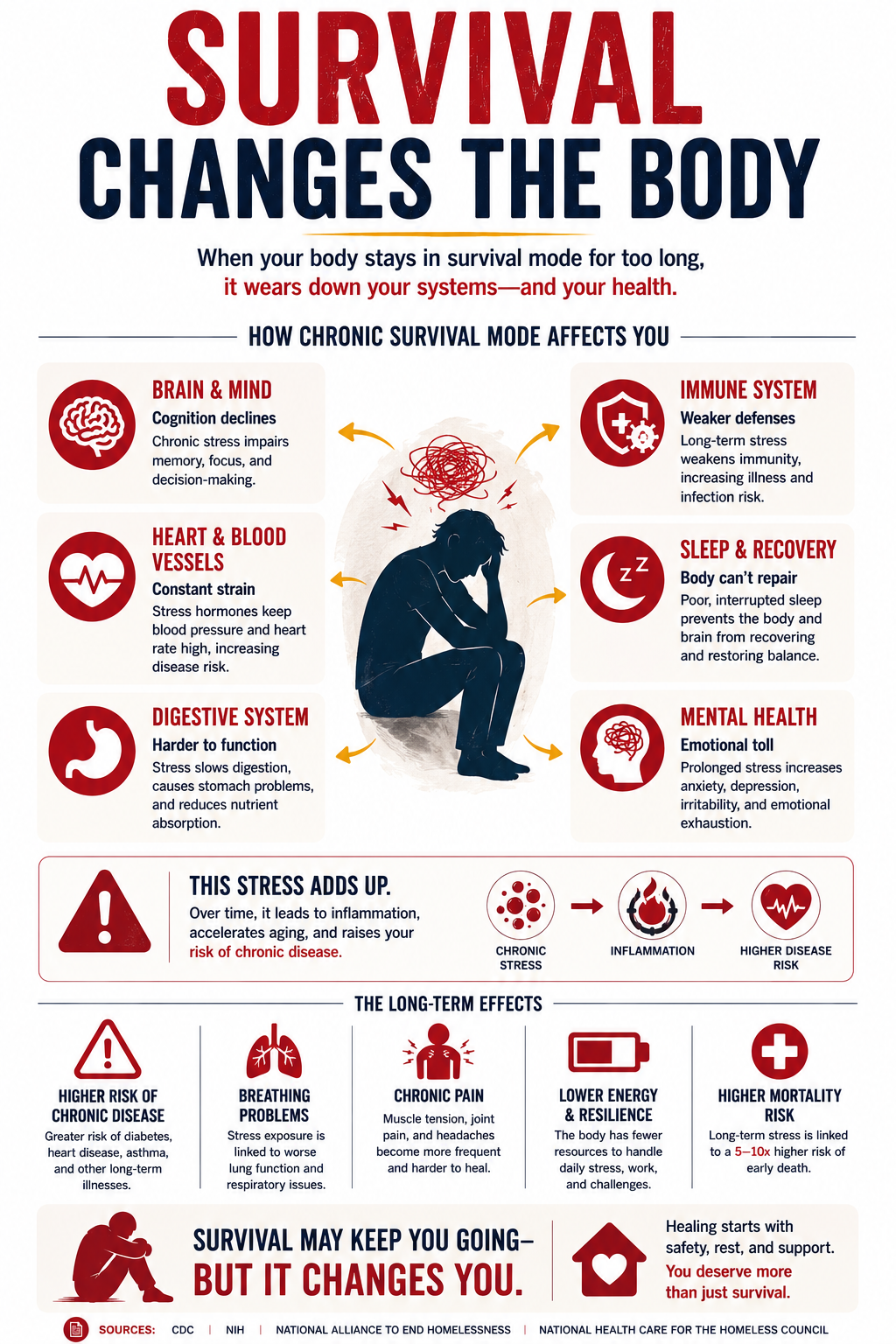
Areas most affected include:
cognition
cardiovascular health
immune function
sleep regulation
digestion and nutrition
This is not simply fatigue.
It is prolonged physiological strain.
📉 The Hidden Cost: Mortality and Public Health
The long-term health consequences are severe.
Research indicates that people experiencing homelessness face dramatically elevated mortality rates compared to the general population.
Studies cited by public health researchers estimate mortality risks ranging from 5–10 times higher than housed populations depending on conditions and demographics.
Additional risks include:
infectious disease
untreated chronic illness
respiratory complications
mental health deterioration
One interviewee described the experience as:
“We have feelings just like everyone else”
🏠 Recovery Requires More Than Shelter
The interviews conducted for this article revealed a recurring truth:
People did not only talk about needing housing.
They talked about needing:
sleep
safety
healthcare
stability
identification
transportation
emotional support
dignity
One interviewee said:
“What separates us from you is that you have a place to stay.”
Another emphasized the difficulty of rebuilding without stability:
“It’s hard to get out once you’re in it.”
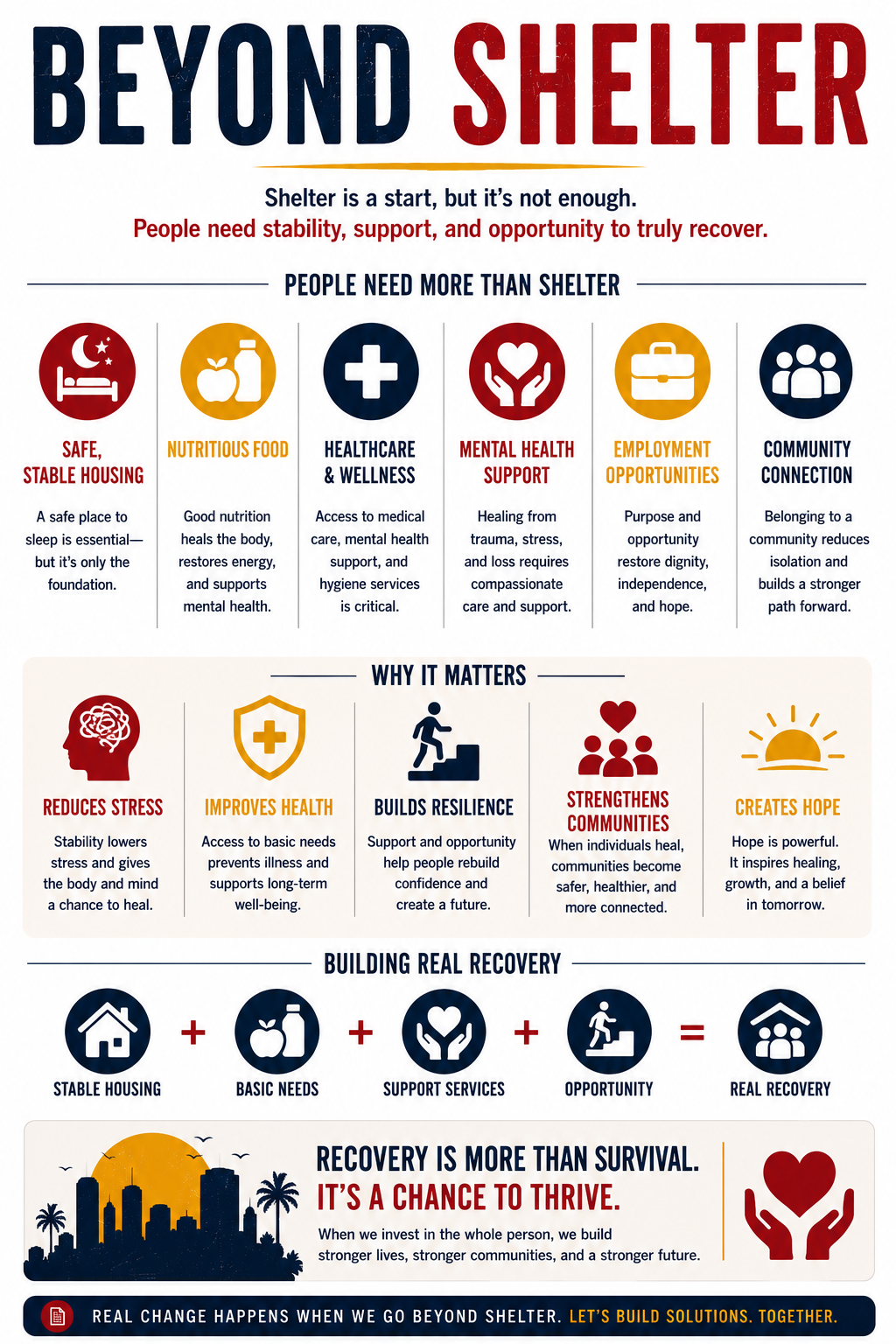
Research from the National Alliance to End Homelessness and the National Health Care for the Homeless Council suggests that stable housing combined with supportive services produces significantly better long-term outcomes than temporary emergency responses alone.
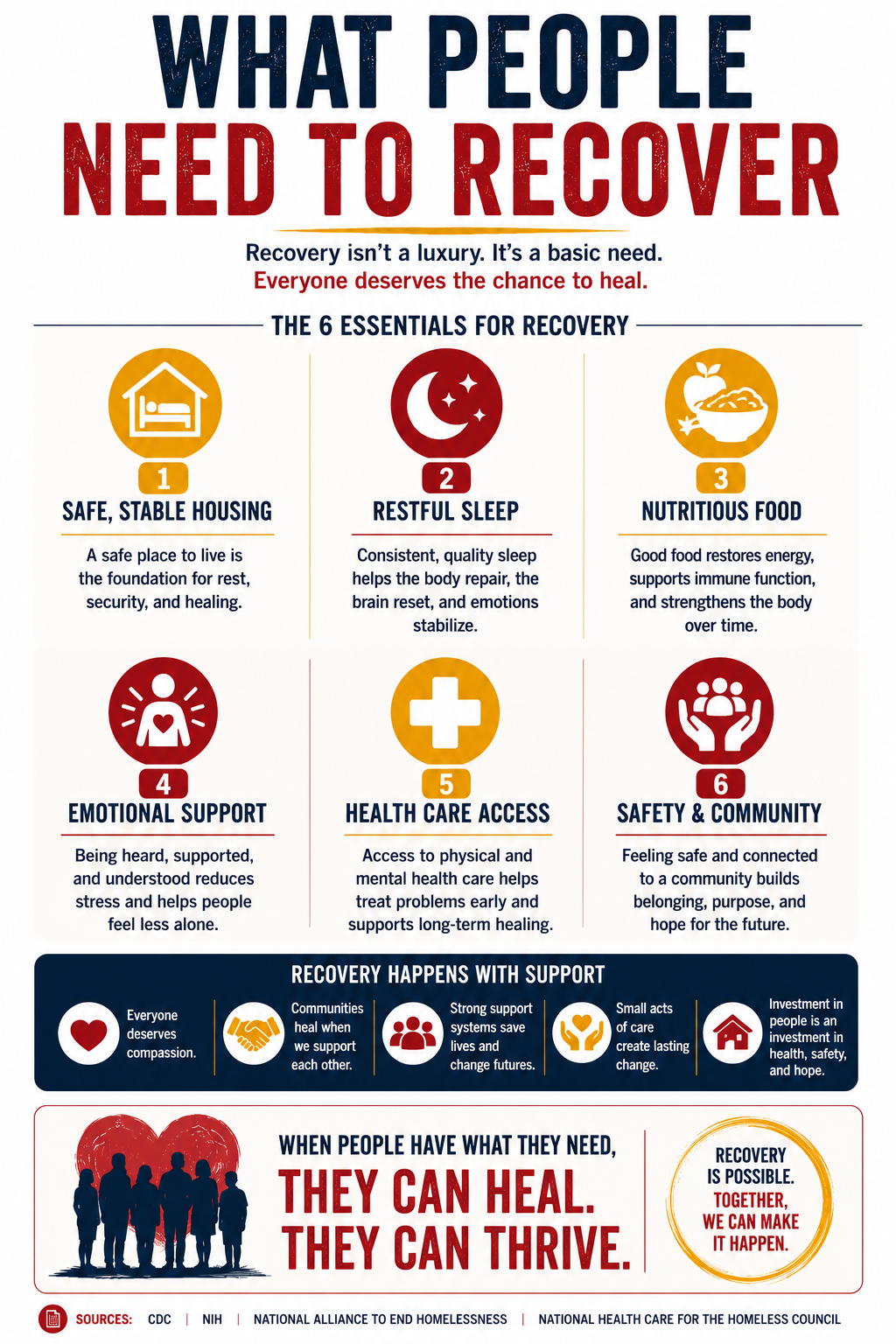
Recovery is not one thing.
It is everything working together:
housing
healthcare
nutrition
employment
mental health support
community connection
🤝 Beyond the Stereotype
The people interviewed for this article were not statistics.
They were individuals navigating:
exhaustion
fear
instability
public stigma
physical decline
Some struggled with addiction.
Some did not.
Some lost housing through financial collapse, relationship breakdown, illness, or other crises.
But the recurring pattern was clear:
Survival itself changes the body.
🔥 Conclusion: Beyond Choice
This investigation does not claim that homelessness has a single cause.
Nor does it remove personal responsibility from human decisions.
But it challenges the oversimplified narrative that homelessness is merely a matter of individual failure.
Because prolonged instability changes:
sleep
cognition
emotional regulation
physical health
recovery capacity
The body keeps the score.
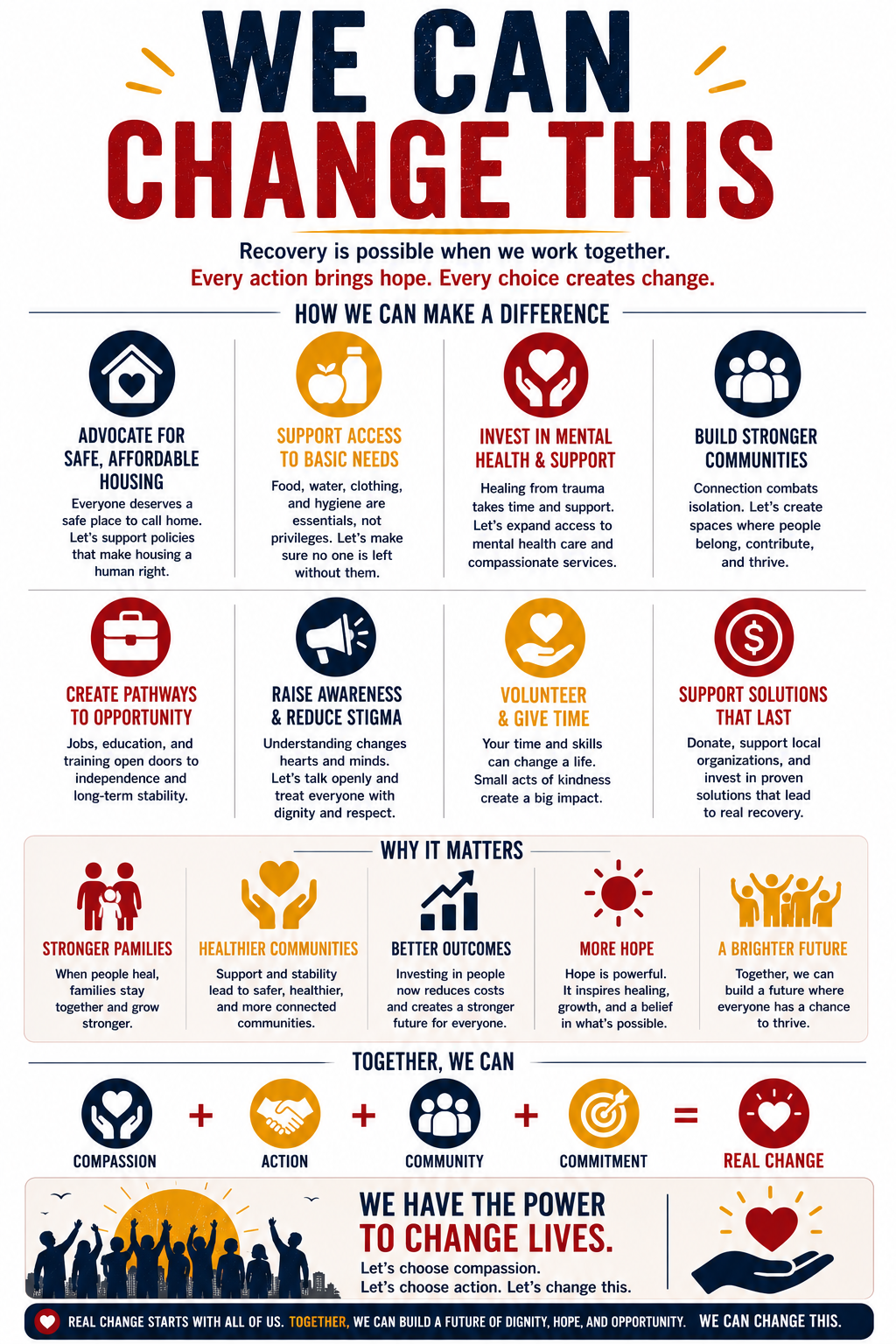
And when survival becomes constant, recovery itself begins to disappear.
📚 Sources & References
Centers for Disease Control and Prevention — Sleep & Health / Heat Exposure
National Institutes of Health — Chronic Stress & Allostatic Load Research
U.S. Department of Housing and Urban Development — Homelessness Data
National Alliance to End Homelessness — Housing Stability Research
National Health Care for the Homeless Council — Public Health & Homelessness
Interviews by Ricardo Stoyell, collected in Brevard County, Florida
Financial strain and stigma keep families from seeking counseling
Many families delay seeking counseling not because they don’t care, but because fear, financial pressure and stigma make access to support feel out of reach. In this expert interview, counselor Bob Ranieri explains how financial barriers, instability and judgment continue to shape who gets help — and who doesn’t.
Families experiencing instability often delay seeking counseling not because they do not care, but because fear, financial pressure and uncertainty can make access to support feel out of reach, according to counselor Bob Ranieri.
Ranieri, who works with individuals and couples, said communication breakdown is one of the most common challenges he encounters.
“One of the big challenges is sometimes they’re afraid of talking about what they’re going through for fear they might be judged,”
That hesitation, he explained, can prevent families from seeking support until problems escalate.
Financial barriers limit access to care
Beyond stigma, economic pressure often determines whether families can pursue counseling. Ranieri said many individuals face competing obstacles — including cost, transportation, childcare responsibilities and limited job flexibility — that make consistent care difficult.
“That’s normally a big, big issue there, because a lot of times they don’t have the funds to either get further education or to provide babysitting services so that they can… get better jobs and increase their family income”
National research supports that concern. The National Alliance on Mental Illness reports that cost, lack of insurance coverage and limited provider availability remain among the most common barriers preventing people from accessing mental health services.
The American Psychological Association similarly reports that financial strain and perceived stigma are consistently among the top reasons people delay or avoid seeking mental health care.
Stability shapes family outcomes
Ranieri said housing and financial stability are closely tied to a parent’s ability to support their children and maintain consistency in the home.
“That becomes a big issue because their concern is providing for their family. And if they can’t do that, basically, they’re very untethered,”
He emphasized that many families experiencing instability did not choose those circumstances.
“It’s not something that they voluntarily found themselves in. It’s something that happened to them,” Ranieri said.
“And basically, we should try to find ways to help them get through the process.”
A need for better-informed solutions
Ranieri said meaningful progress requires listening to the lived experiences of families rather than relying on assumptions or generalized solutions.
“Then they have to rely on their own, and they may not be in a position to be able to address some of the issues going forward,” he said.
He added that effective support systems must reflect the realities families face on the ground, including financial limitations, access gaps and the emotional burden that often accompanies instability.
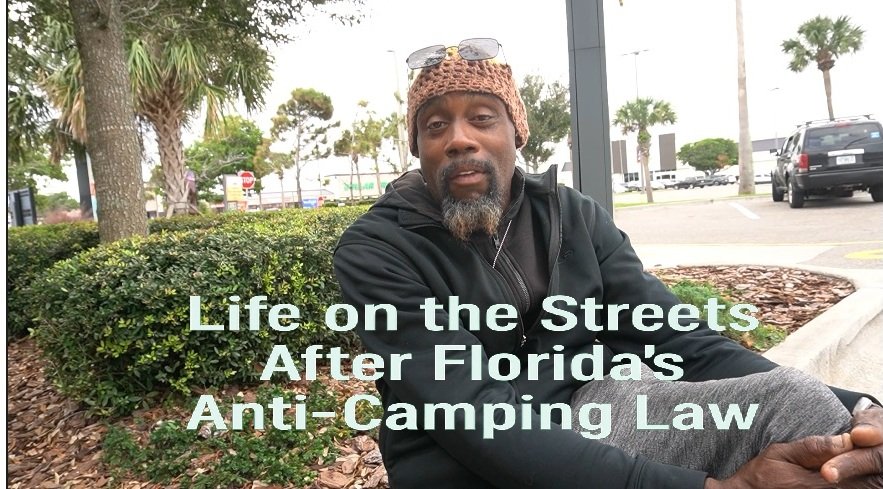
Life on the Streets After Florida’s Anti-Camping Law
Florida’s new anti-camping law is pushing homeless residents deeper into instability. This follow-up report documents how seniors, veterans, and working people are being displaced, fined, and left without options — in their own communities.
Florida’s new anti-camping law is reshaping daily survival for people experiencing homelessness across Brevard County. Nearly 70% of the county’s homeless population is unsheltered, and many describe being repeatedly pushed out of public places simply for trying to rest or stay safe. In our earlier investigation, individuals like Tina and Tony described being trespassed, displaced, and woken up by police even during storms. As Anthony explained, “With the police, it does sometimes seem like they kind of bully you a little… they push you around.”
The stigma is clear to those living it, “You can tell homelessness is not something that’s accepted in society.” When asked what they wished the public understood, the response was immediate: “A lot of it is a mental illness. It really is… they cannot function in this society.”
Their lived experience reflects what research confirms: mental illness, trauma, and constant displacement make stability nearly impossible. According to national and state-level studies, criminalization increases harm and public cost, while housing and treatment reduce homelessness.
Florida’s Anti-Camping Law (HB 1365) goes even further, allowing residents and businesses to sue counties if they do not remove people from public spaces—even when no shelter beds exist. As our interviewee described, the result is forced displacement and a direct pipeline into an expensive, for-profit jail system.
The data is undeniable, but the stories are human. As the closing line of the interview emphasized:
“The data is clear. The stories are human. The crisis is preventable. Every law, every statistic, every policy affects a real human life.”