
JUSTICE DELAYED IS JUSTICE DENIED
Justice isn't only measured by verdicts.
It's measured by access.
Every day, Americans wait for hearings, rulings, custody decisions, housing disputes, and legal resolutions that affect their families, finances, and futures.
While court calendars move slowly, life does not.
Children grow older.
Savings disappear.
Opportunities are lost.
For millions of Americans, the greatest burden isn't necessarily the outcome of a case.
It's the waiting.
When justice becomes too expensive, too delayed, or too difficult to reach, the cost is paid by ordinary people long before a final decision is ever made.
Because every day justice waits, someone loses something they can never get back.
The Human Cost of Waiting
Somewhere in America right now, a parent is waiting for a hearing that could determine how often they see their child.
Somewhere else, a family is waiting for a housing dispute to be resolved while bills continue to pile up.
Another person is trying to represent themselves in court because hiring an attorney would cost more than they earn in a month.
None of these people are asking for special treatment.
They are asking for a decision.
They are asking to be heard.
They are asking for justice.
The average American doesn't experience the legal system through dramatic courtroom scenes or television trials.
They experience it through waiting.
Waiting for hearings.
Waiting for paperwork.
Waiting for rulings.
Waiting for phone calls.
Waiting while their lives continue moving forward without answers.
For many Americans, justice isn't experienced as a verdict.
It's experienced as uncertainty.
And uncertainty can be expensive
The Quiet Punishment Nobody Talks About
When people think about injustice, they often imagine corruption, wrongful convictions, or abuse of power.
But there is another form of injustice that receives far less attention.
Delay.
"The legal system doesn't have to find someone guilty to punish them.
Sometimes the punishment is the process itself."
Months pass.
Sometimes years.
Children continue growing.
Savings accounts shrink.
Debt increases.
Opportunities disappear.
Relationships deteriorate.
Stress becomes a permanent companion.
Even when a case is eventually resolved, the lost time can never be returned.
No court order can restore a missed birthday.
No ruling can recreate years spent waiting.
Justice delayed is not merely delayed.
For many people, it becomes a punishment all its own.
"Justice delayed is not neutral. It transfers the cost of delay onto the people least able to carry it."
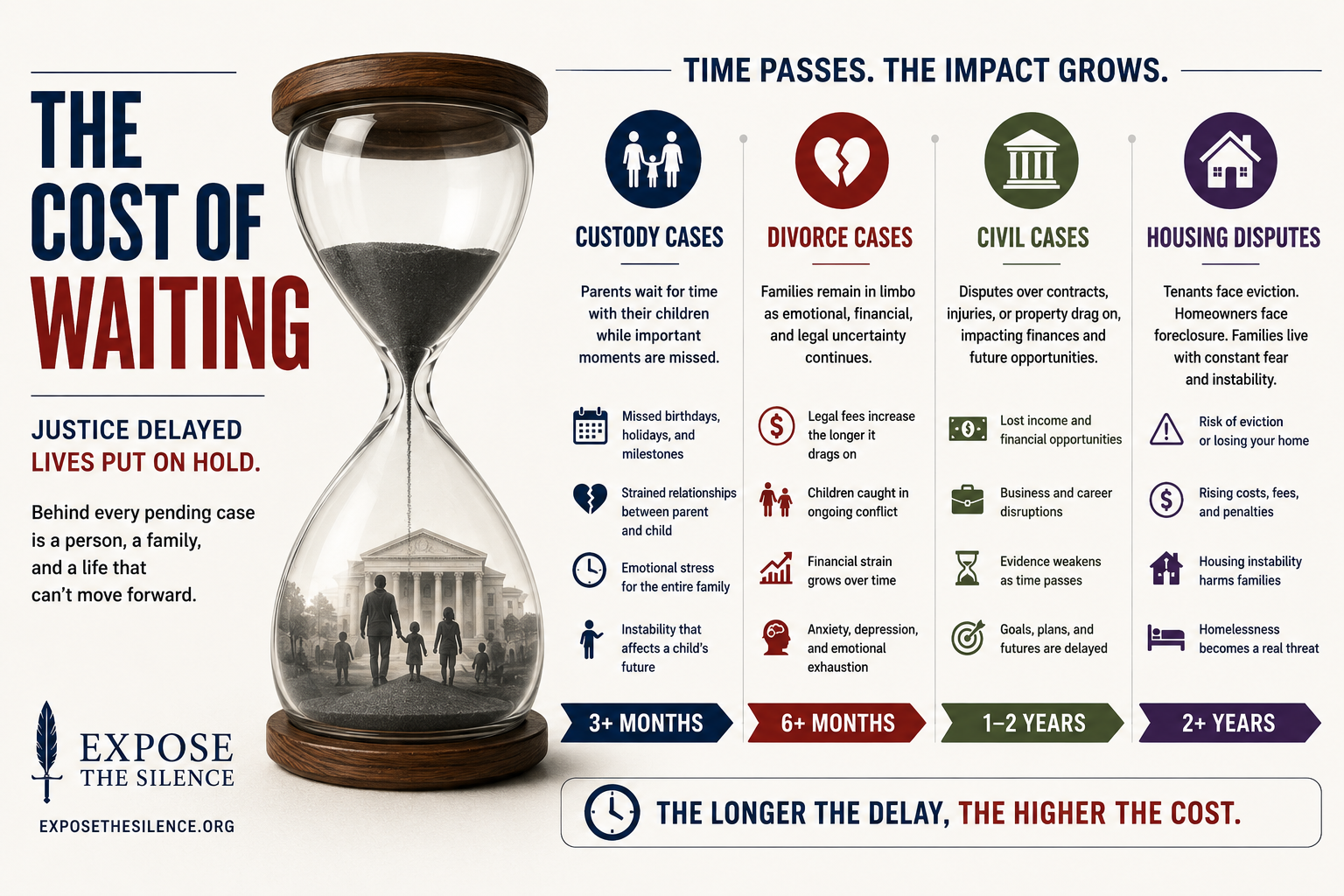
Figure 1. The Cost of Waiting
Behind every pending case is a person, a family, or a future placed on hold. As legal delays grow longer, the human costs—missed milestones, financial strain, housing instability, and emotional stress—continue to accumulate long before a final decision is reached.
This Is Not an Isolated Problem
The experiences described above are not rare.
According to the Legal Services Corporation's Justice Gap Report, low-income Americans receive inadequate or no legal assistance for approximately 92% of substantial civil legal problems they experience.
The same report found that 74% of low-income households experienced at least one civil legal problem during a single year, while 39% experienced five or more.
These problems involve issues that directly affect people's lives:
Child custody
Divorce
Housing disputes
Consumer debt
Healthcare access
Employment conflicts
Public benefits
The Legal Services Corporation refers to this disparity as the Justice Gap—the difference between the civil legal needs of Americans and the resources available to help them.
For millions of people, legal rights exist on paper.
The challenge is accessing them.
When Rights Become Too Expensive
The American legal system is built upon the principle that every citizen deserves equal treatment under the law.
Yet navigating that system often requires resources many people simply do not have.
Attorneys routinely charge hundreds of dollars per hour.
Cases may require filing fees, transportation costs, document preparation, expert witnesses, and repeated time away from work.
For families already struggling with rising housing costs, healthcare expenses, childcare, transportation, and inflation, legal representation can become financially impossible.
Yet the scale of the need far exceeds the resources available. According to the Legal Services Corporation's 2022 Justice Gap Report, low-income Americans do not receive any or enough legal help for 92% of their substantial civil legal problems. LSC-funded organizations receive approximately 1.9 million requests for assistance each year but must turn away nearly one out of every two requests because of limited resources.
The shortage of legal aid attorneys is equally striking. Nationally, there are only about 2.8 civil legal aid attorneys for every 10,000 people living in poverty. In Florida, that number drops to approximately 1.7 attorneys for every 10,000 impoverished residents.
In practical terms, millions of Americans facing eviction, foreclosure, custody disputes, domestic violence issues, consumer debt actions, guardianship matters, or other civil legal problems are often forced to navigate the legal system alone—not because they choose to, but because help simply is not available to everyone who needs it.
According to the Legal Services Corporation, affordability remains one of the largest barriers preventing Americans from obtaining legal help.
The result is a difficult reality:
Many people possess legal rights.
Far fewer possess the resources necessary to enforce them.
Rights that cannot be realistically exercised begin to feel theoretical.
The issue is not whether justice exists.
The issue is whether ordinary people can afford to reach it.
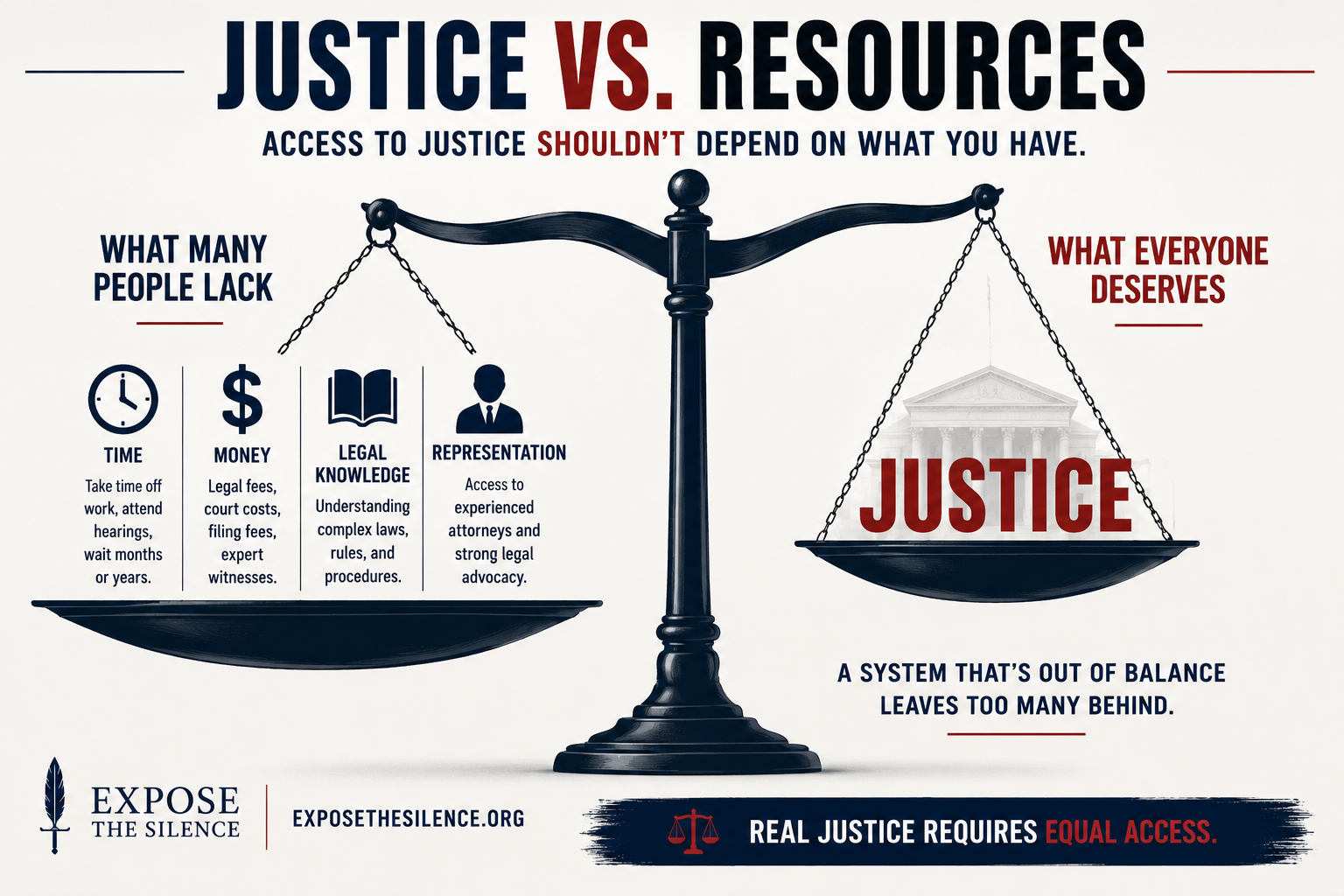
Figure 2. Access to justice is often influenced by resources such as time, money, legal knowledge, and representation.
The Rise of Self-Representation
Unable to afford legal counsel, millions of Americans enter court alone.
Research from the National Center for State Courts found that approximately three-quarters of general civil cases involve at least one self-represented litigant.
Think about what that means.
People are navigating custody disputes, housing conflicts, debt collection actions, and other life-changing matters without formal legal training.
They are expected to understand procedures, deadlines, evidentiary rules, filing requirements, and courtroom practices while simultaneously managing jobs, families, and financial stress.
Many do their best.
Some succeed.
Many struggle.
Not necessarily because their claims lack merit.
But because the system was never designed to be simple.
A person may technically have access to court while lacking meaningful access to justice.
The Hidden Cost of Delay
The official court record may show dates, motions, and rulings.
What it rarely shows is the human cost.
Stress.
Lost wages.
Family strain.
Anxiety.
Debt.
Uncertainty.
These costs do not appear on court dockets.
Yet they shape lives every day.
Research in psychology has consistently shown that prolonged uncertainty creates significant emotional and physiological stress.
The inability to obtain answers affects decision-making, relationships, employment, finances, and mental well-being.
People can survive difficult outcomes.
What often breaks them is not knowing when the outcome will arrive.
Cases eventually close.
The damage caused during the waiting period often remains.
Justice delayed is not simply delayed.
For many families, it becomes a punishment before any final decision has been reached
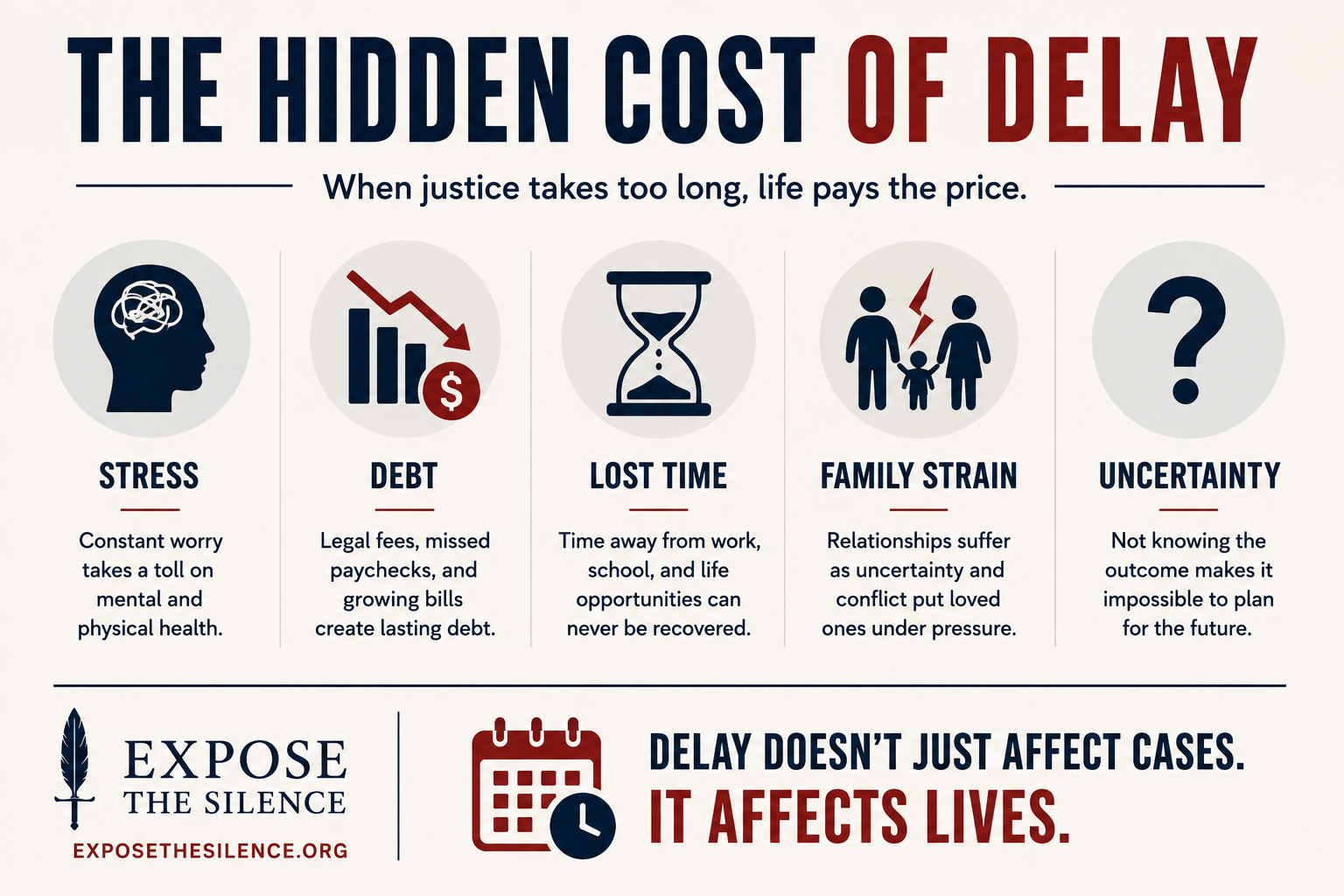
Figure 3. The effects of legal delay often extend beyond the courtroom, impacting emotional health, family stability, and financial security.
A System Under Pressure
To be clear, this is not simply a story about judges, lawyers, or court employees.
Many legal professionals work extraordinarily hard under difficult circumstances.
Courts across the country face growing caseloads, staffing shortages, budget constraints, administrative burdens, and increasing complexity.
Many judges, attorneys, legal aid workers, and court employees entered public service because they genuinely want to help people.
The problem is larger than any individual person.
The question is whether the system itself possesses enough capacity to deliver timely and meaningful justice to everyone who needs it.
A system can be filled with good people and still leave citizens feeling unheard.
A system can follow every rule and still leave families waiting years for answers.
A system can be functioning exactly as designed and still fail the people it was created to serve.
Why This Matters to Working Americans
Many Americans do not qualify as poor.
Yet they cannot afford a prolonged legal battle.
The ALICE framework—Asset Limited, Income Constrained, Employed—describes millions of households that earn above federal poverty thresholds but still struggle to afford basic necessities.
These are working people.
Teachers.
Tradespeople.
Drivers.
Retail workers.
Healthcare workers.
Parents.
Veterans.
Small-business owners.
They are often one emergency, one lawsuit, one medical issue, one divorce, or one job loss away from financial crisis.
For these households, delay is not simply frustrating.
It can be devastating.
Questions Worth Asking
If justice matters, access to justice must matter too.
If fairness matters, affordability matters.
If rights matter, the ability to exercise those rights matters.
And if time matters, delay matters.
These are not partisan questions.
They are human questions.
Does prolonged delay undermine confidence in the justice system?
Should legal representation be more accessible in civil matters?
How can courts reduce unnecessary delays?
What support should exist for self-represented litigants?
How can legal aid organizations be strengthened?
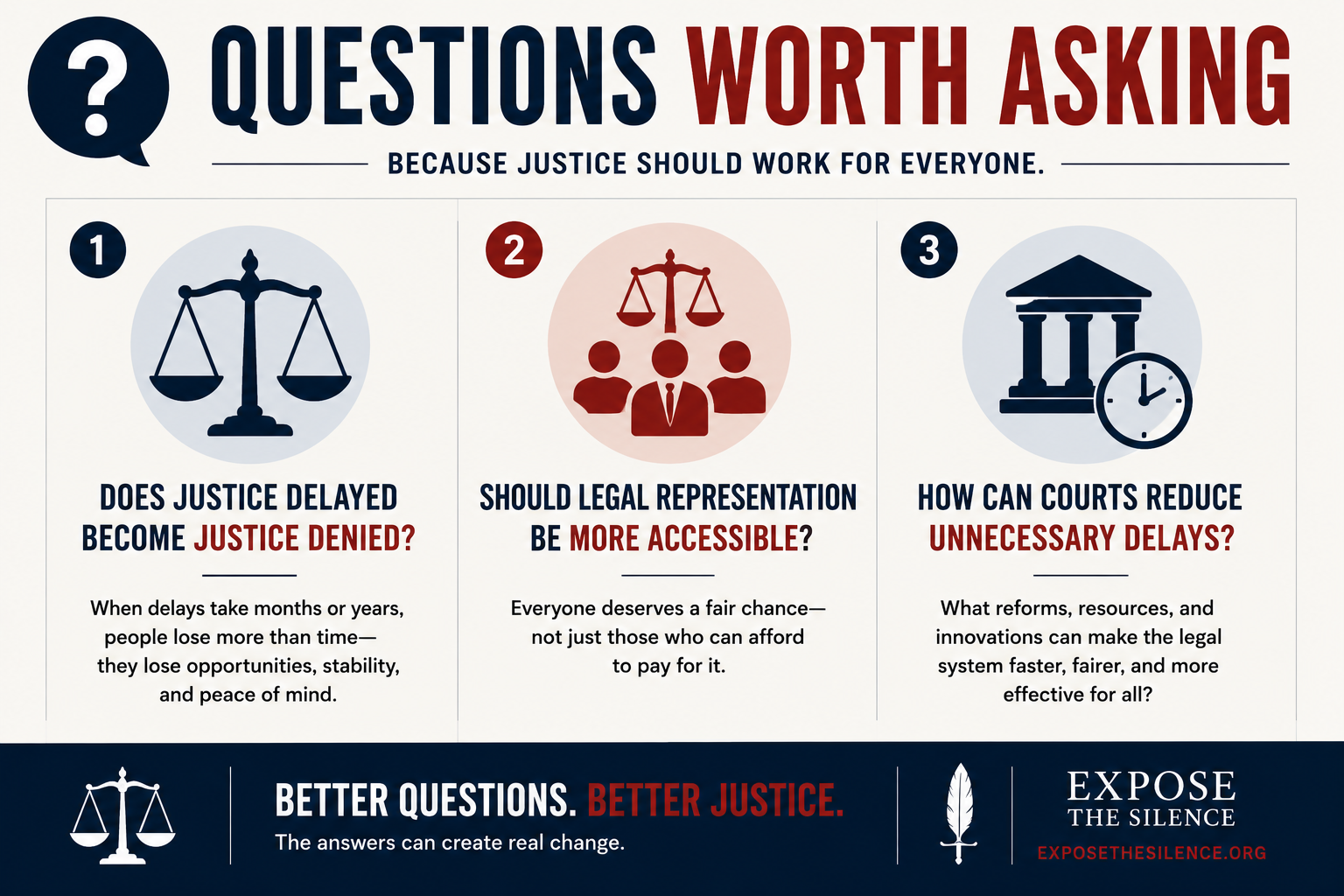
Figure 4. Improving access to justice requires public discussion, transparency, and a willingness to examine systemic challenges.
The Real Question
Americans spend a great deal of time debating what justice should look like.
Perhaps a more urgent question is whether ordinary people can still reach it.
Not in theory.
Not in textbooks.
Not in speeches.
In real life.
Because every day justice waits, someone loses something they can never get back.
Because every day justice waits, someone loses something they can never get back.
A missed birthday.
A lost opportunity.
A relationship.
A home.
A piece of their future.
And no court order can return lost time.
And no court order can return lost time.
Have You Experienced Legal Delays?
ExposeTheSilence.org is collecting stories from individuals, attorneys, legal aid workers, court users, and community advocates.
If you have experienced delays in family court, housing disputes, civil litigation, or other legal proceedings, we invite you to share your story.
Your experience may help illuminate an issue that affects millions of Americans but often remains invisible until it happens to them.