
All I Need Is a Chance
How One Man’s Story Reveals the Hidden Barriers Keeping People Trapped in Homelessness
Homelessness Is More Than the Loss of Shelter
Homelessness is often reduced in public discourse to a question of housing: whether someone has a roof overhead or not.
But for those living it, homelessness is rarely caused by a single event—and it is never solved by shelter alone.
It is often the result of cascading failures: illness, financial collapse, lost transportation, missing identification, lack of communication access, untreated trauma, and systems that demand stability before offering help.
Once someone falls into homelessness, the pathways back are often blocked by the very institutions meant to assist them.
Walter Henry Regeski III knows that reality intimately.
His story exposes what happens when a working life collapses under pressure—and how difficult recovery becomes when survival itself consumes every hour of the day.
“You have to have ID to do anything.”
A Working Life Before the Streets
Walter is not the stereotype many imagine when they think of homelessness.
Before losing housing, he operated a pool service business and spent years caring for his aging parents in Georgia. For nearly two decades, he helped care for family members as their health declined.
He describes himself simply:
“A good person. A hard worker.”
When his parents died, Walter was left to absorb the financial consequences alone: probate costs, foreclosure, and mounting instability.
Then came the next collapse.
His truck failed.
Without transportation, he lost his ability to work.
Without work, he lost income.
Without income, there was nowhere left to go.
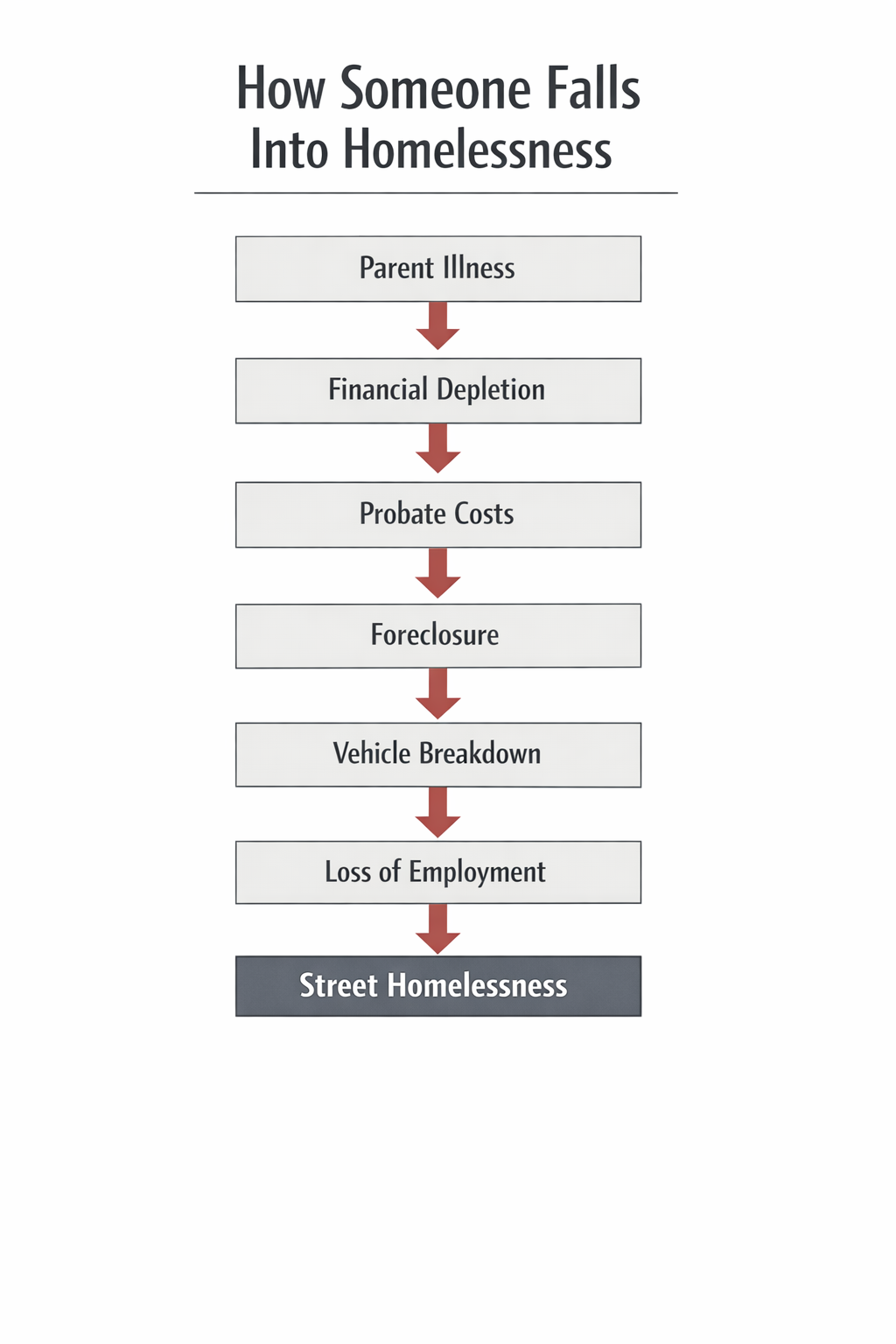
Walter’s journey into homelessness shown as a simple step-by-step chart: after his vehicle broke down, he lost his job, and eventually ended up living on the streets.
The System Trap: Why Getting Back Becomes So Hard
Losing housing is one crisis.
Trying to recover without basic tools is another.
Walter identifies two barriers that define his inability to get back on his feet:
Identification
Communication Access
Without identification, he cannot apply for jobs.
According to the National Alliance to End Homelessness, lack of identification documents is one of the most common barriers preventing unhoused individuals from accessing employment, benefits, and housing services.
Without a phone, he cannot receive callbacks, verify appointments, contact agencies, or coordinate interviews.
“Without a phone… that’s the hardest part.”
These are not failures of effort.
They are failures of access.
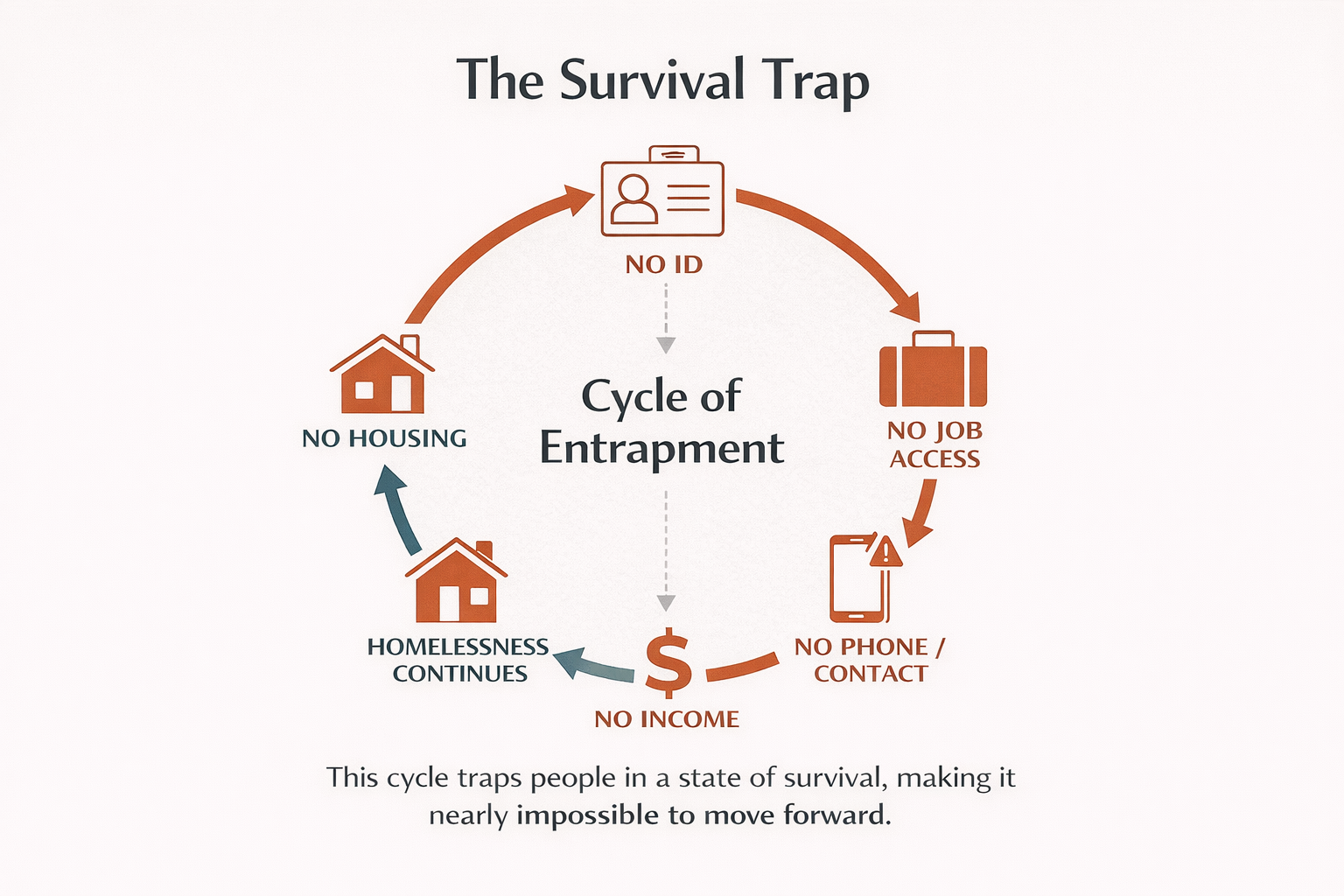
This chart shows how homelessness becomes a trap: without ID, phone access, income, or housing, it becomes nearly impossible for people like Walter to get back on their feet.
Survival Becomes Full-Time Labor
Walter’s days are governed by uncertainty.
Each morning begins with basic maintenance:
securing shelter
protecting belongings
searching for food
finding ways to survive
By nightfall, the task shifts to safety.
Rain floods campsites. Theft is common. Sleep is fragmented.
“24 hours… survival 24 hours a day.”
His shelter—built from palm fronds and salvaged materials—is not designed for comfort.
It is designed for concealment and endurance.
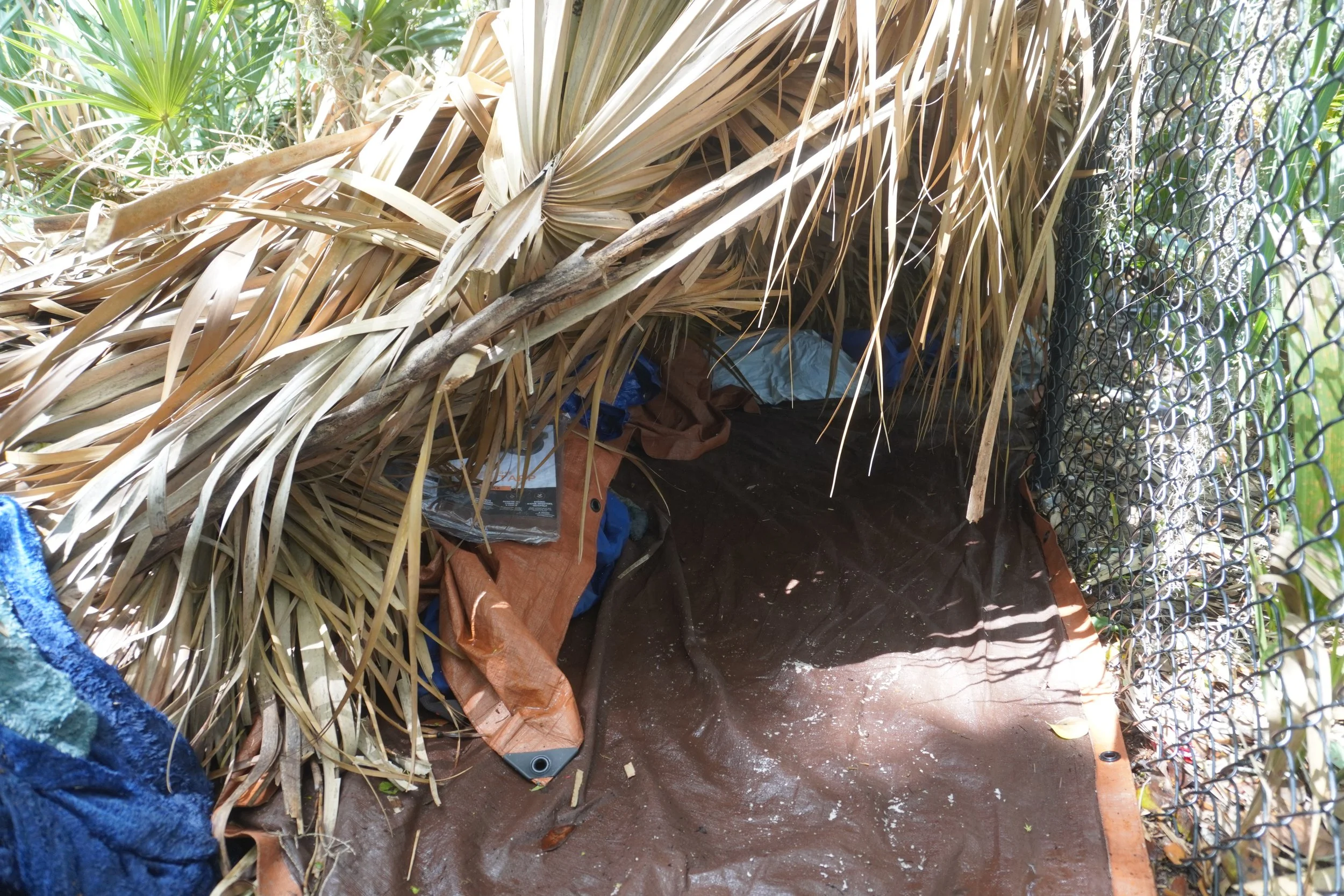
Inside Walter’s handmade palm-frond shelter, a tarp-covered sleeping space offers minimal protection from rain, heat, and exposure—showing the harsh reality of surviving without stable housing.
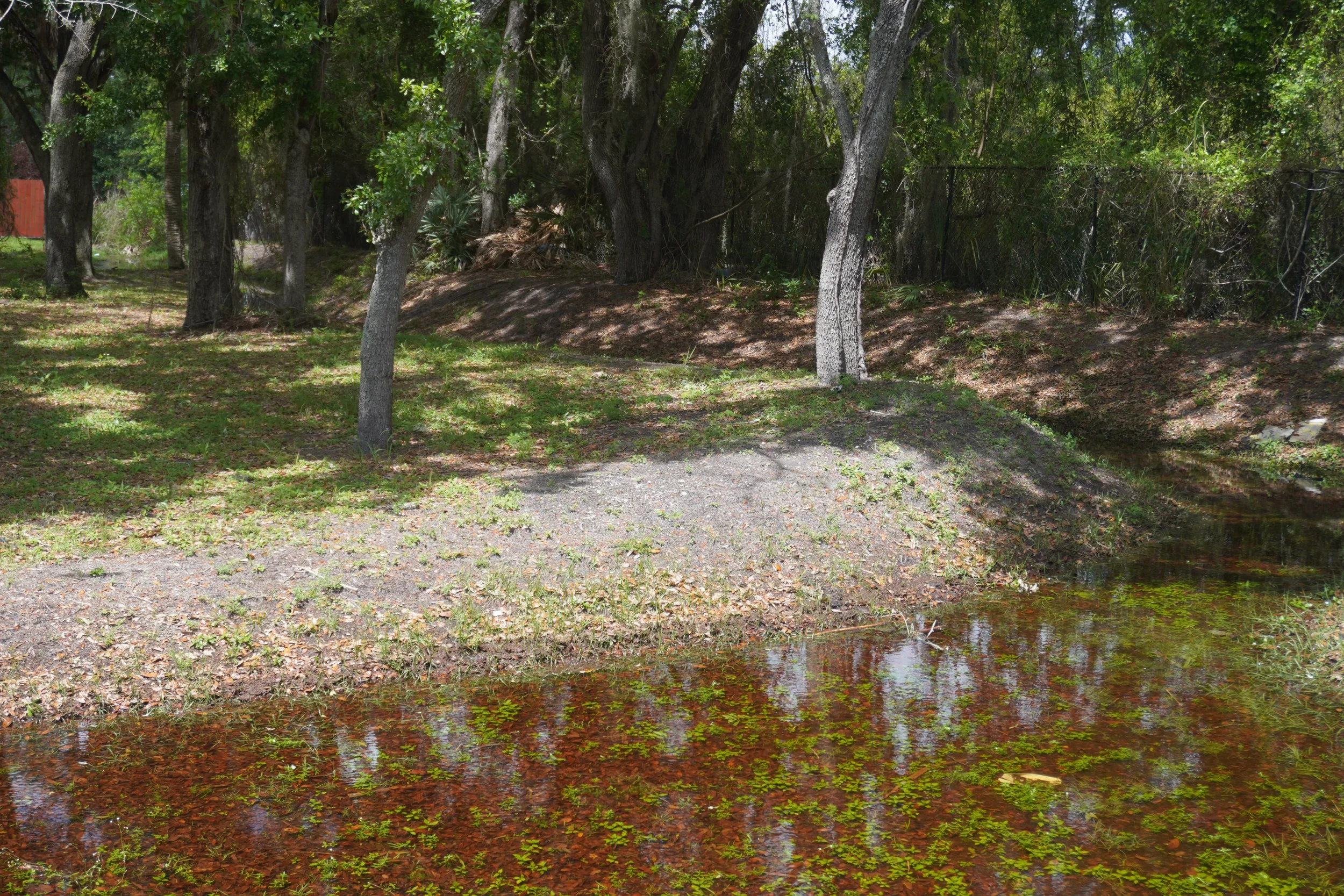
Hidden in plain sight, Walter’s shelter is tucked behind trees and water, blending into the landscape so it goes unnoticed—a fragile refuge designed as much for concealment as for survival.
The Psychological Cost No One Sees
The visible hardships of homelessness are easier to document than the invisible ones.
Walter describes the mental erosion that accompanies prolonged instability:
“It makes you feel worthless.”
“Your mind starts to go.”
“Half the time I don’t know what day it is.”
This is the psychological cost of living without continuity, safety, or certainty.
Homelessness destabilizes time itself.
Danger Is Constant
Living unsheltered is not only exhausting—it is dangerous.
Walter recounts the story of Tina, another homeless woman in the area, who was attacked while sleeping outdoors.
“She got hit in the head with a hammer…”
She survived.
Many do not.
Violence against unhoused people remains chronically underreported despite elevated rates of victimization nationwide.
HUD and national homelessness studies consistently show that unsheltered individuals face significantly higher rates of assault and victimization than the general population.
What Actually Helps
Walter does not describe abstract solutions.
His proposals are practical:
Safe shelter
Phone access
ID recovery assistance
Employment pathways
Transitional support
What he outlines is not charity.
It is infrastructure.
Florida Council on Homelessness policy reports emphasize that stable shelter, identification recovery, communication access, and employment support are among the strongest predictors of successful reentry.
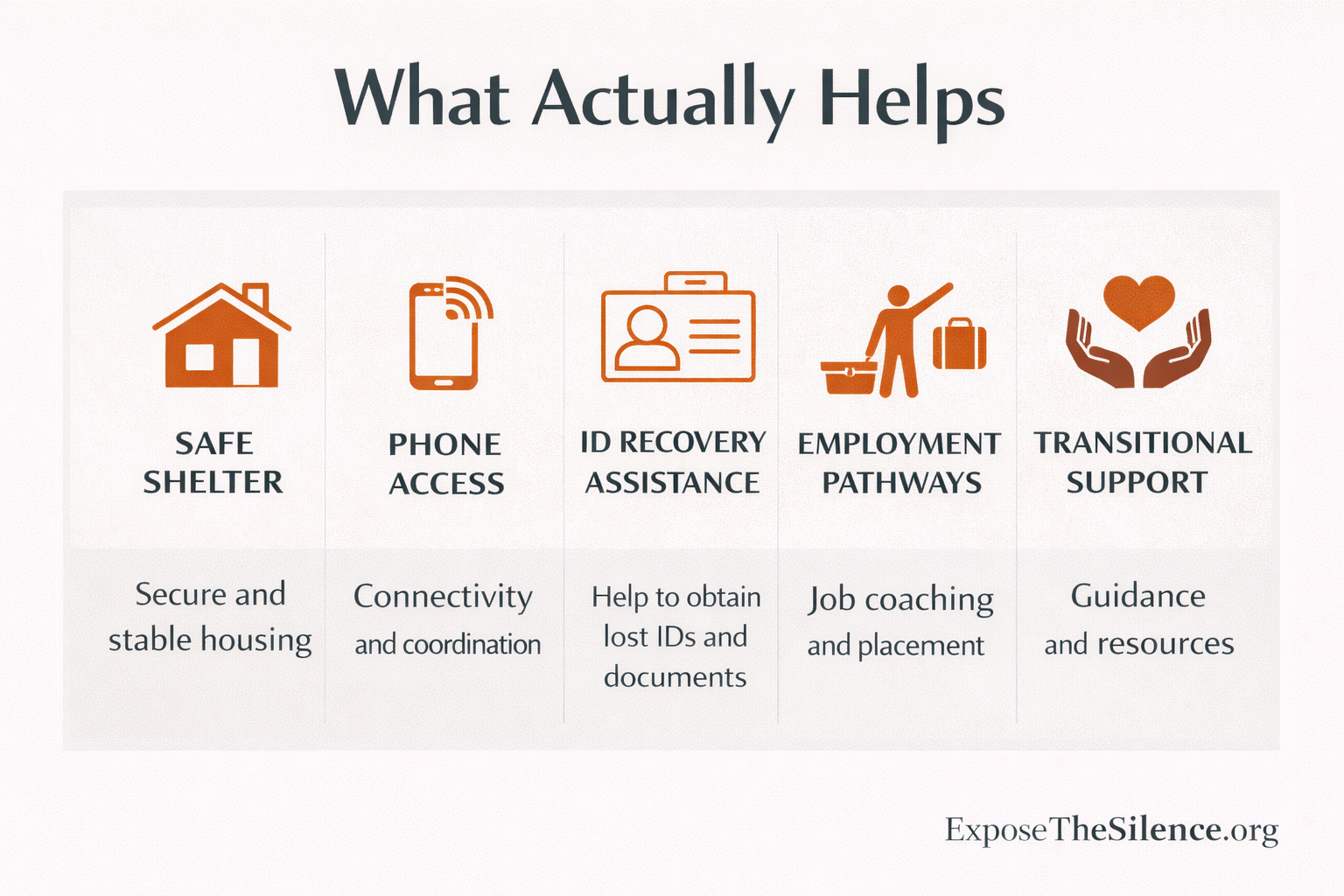
Walter says rebuilding a life starts with the basics: safe shelter, phone access, replacing lost identification, pathways to work, and support that helps people transition back into stability.
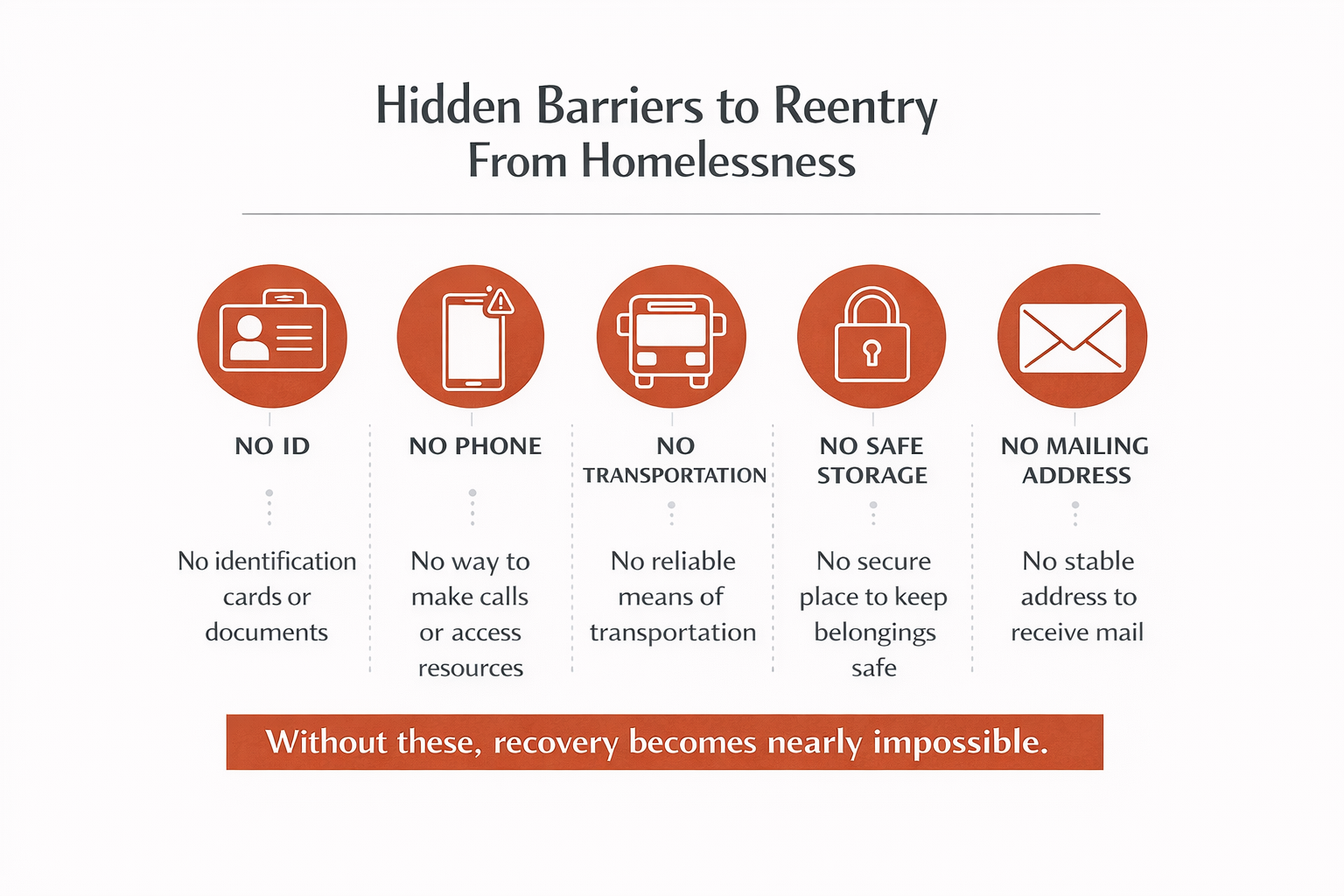
Even when someone wants to rebuild, hidden barriers like missing ID, no phone, lack of transportation, no safe storage, and no mailing address make escaping homelessness far harder than most people realize.
“All I Need Is a Chance”
Walter’s requests are modest.
He is not asking for sympathy.
He is asking for reentry.
“I want a house.”
“I want a job.”
“I want my life back.”
“All I need is a chance.”
His story is not exceptional.
That is precisely the problem.
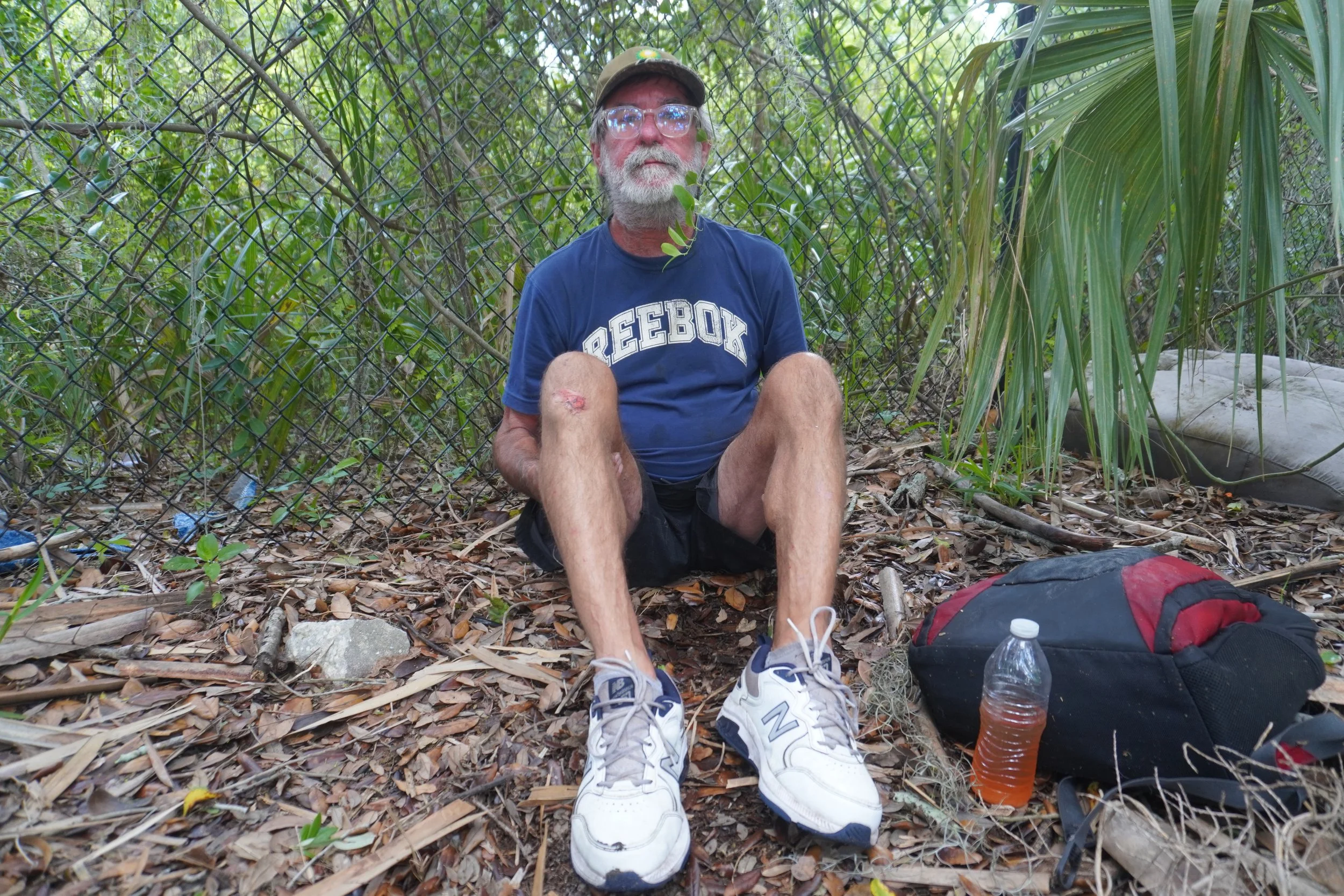
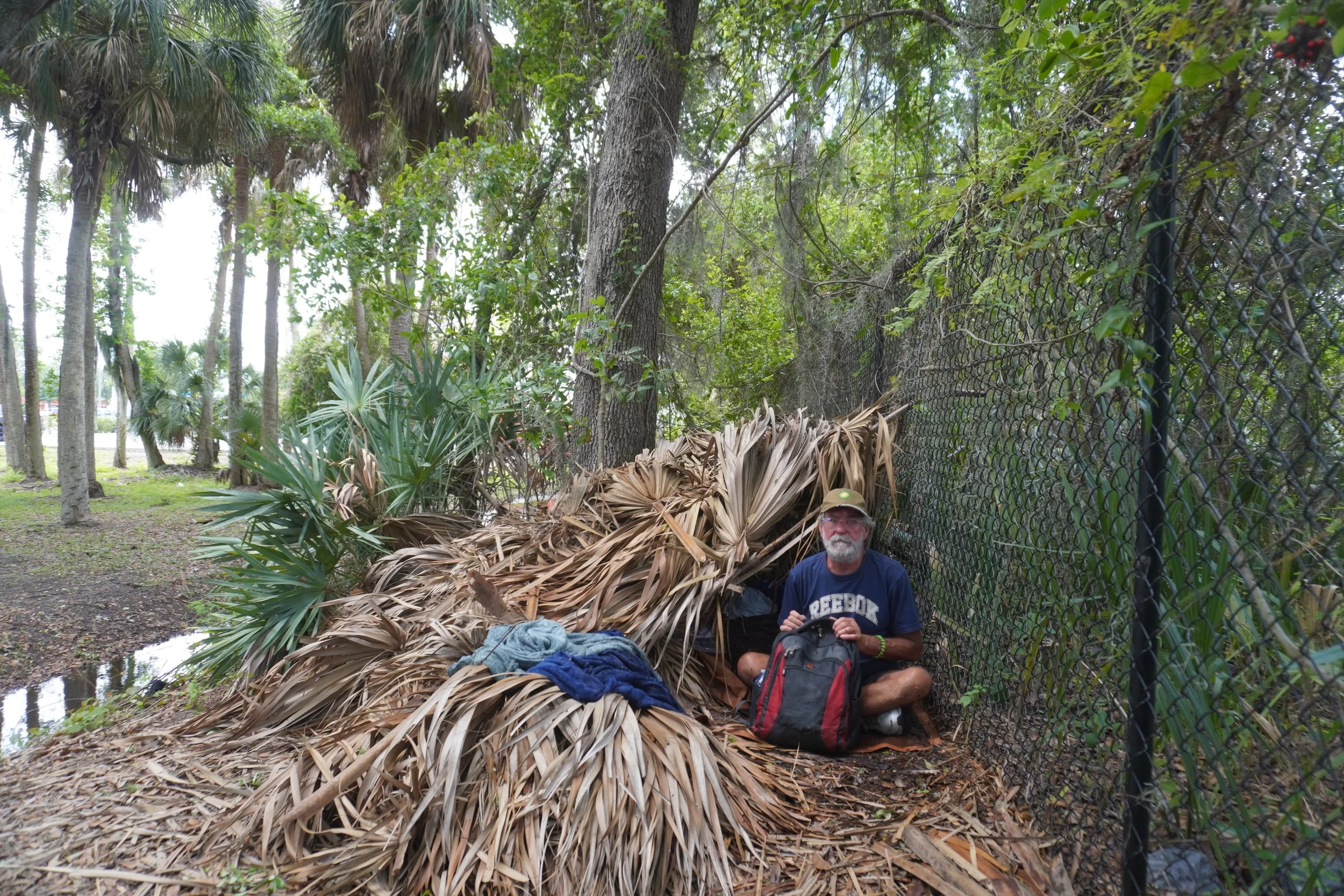
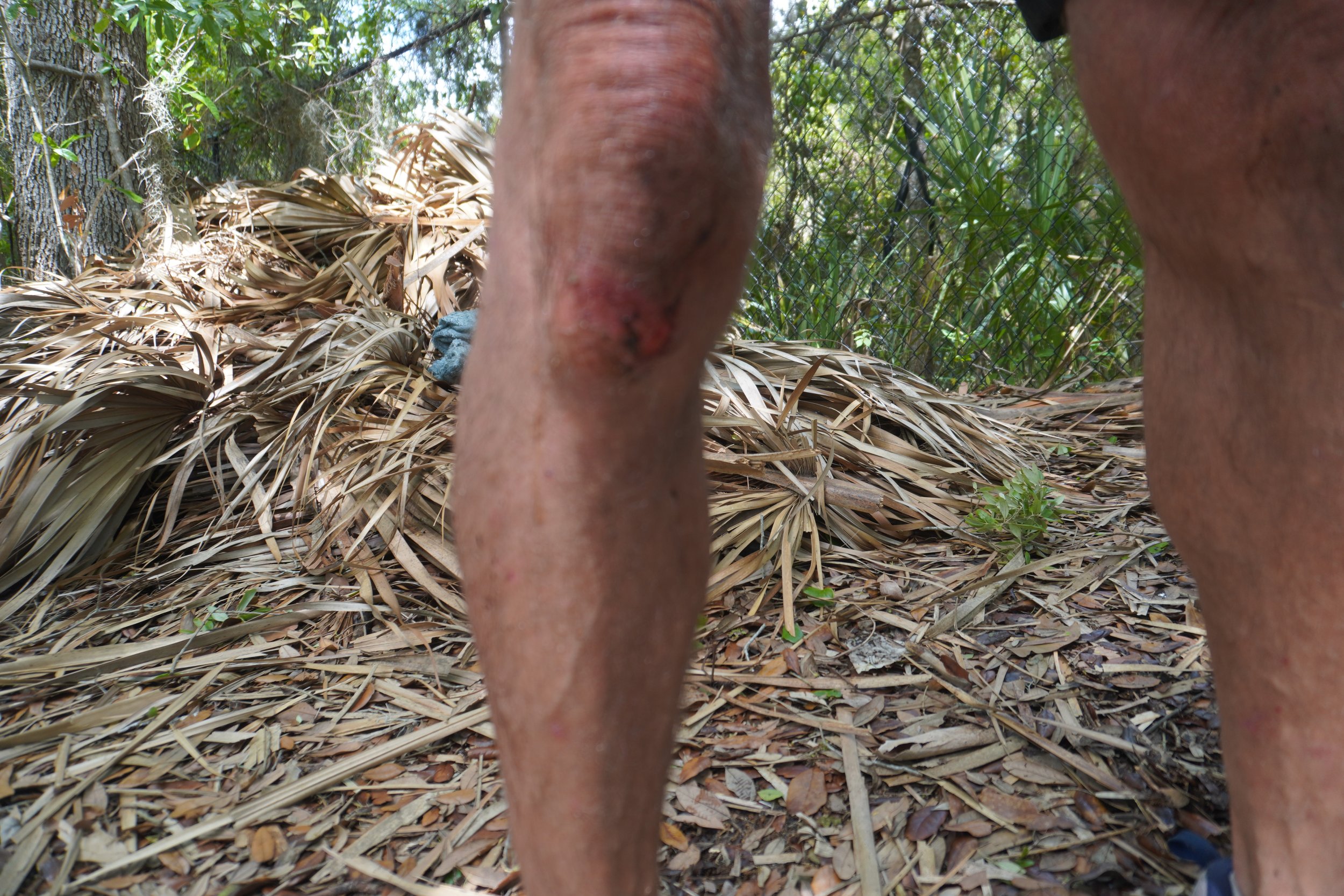
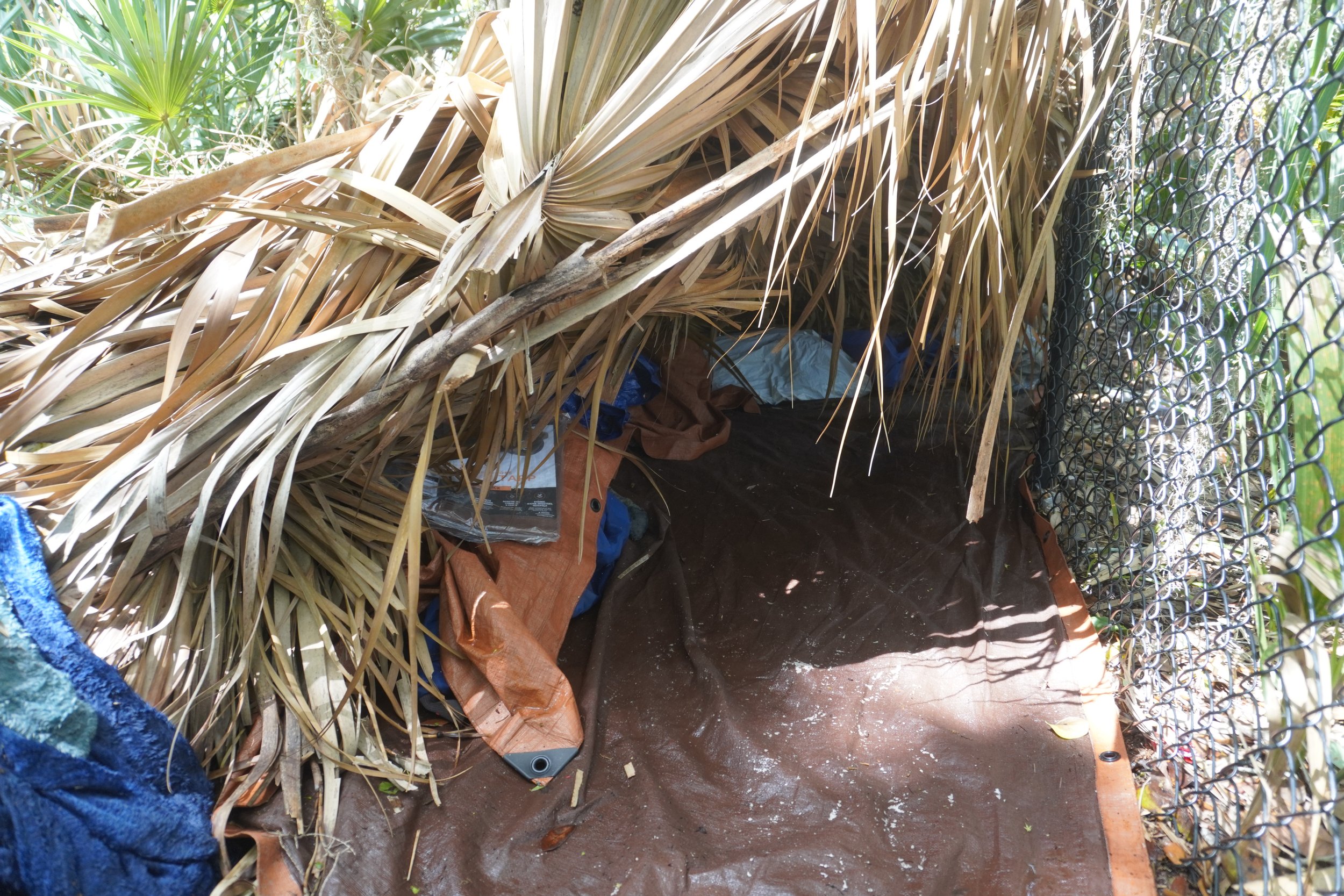
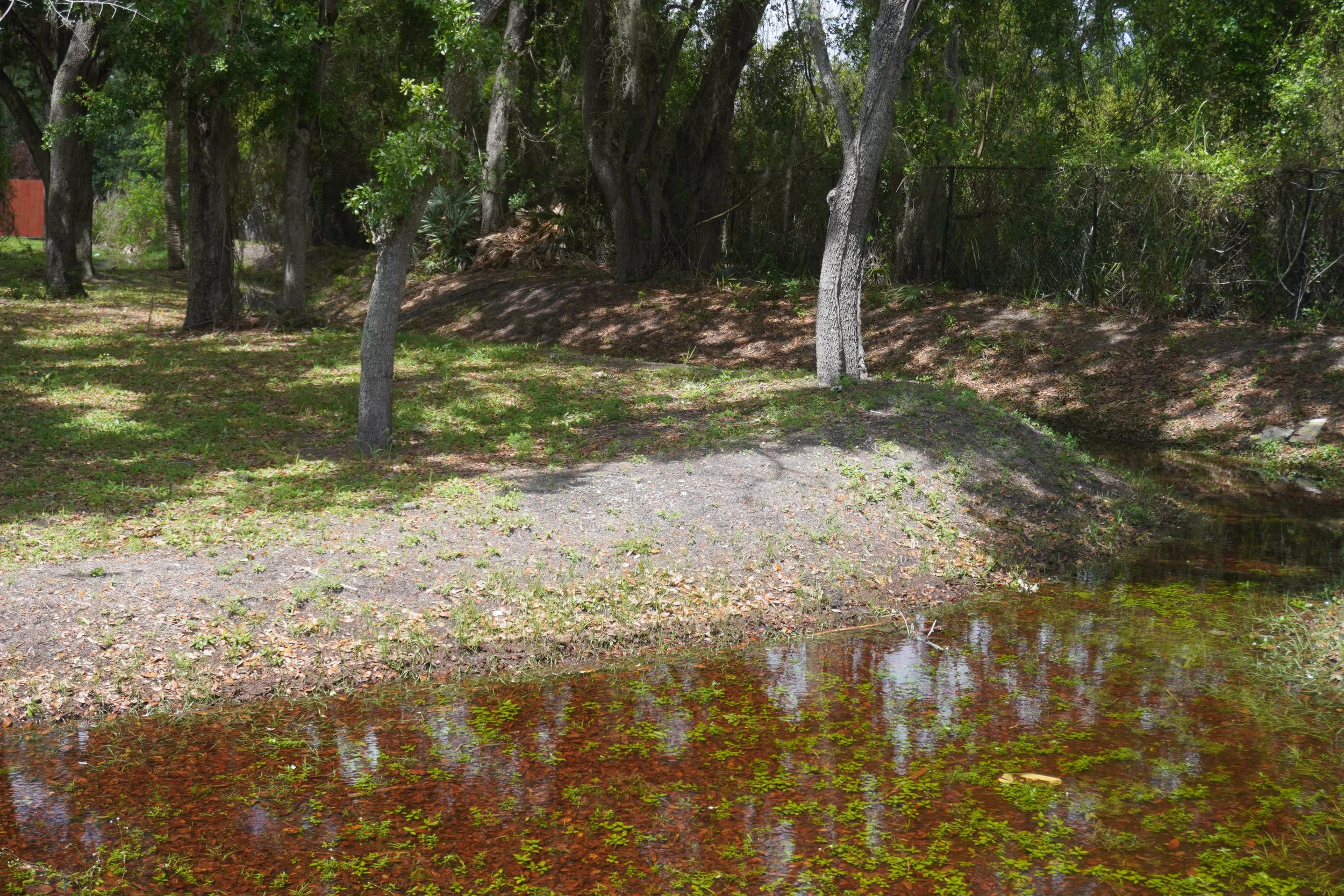
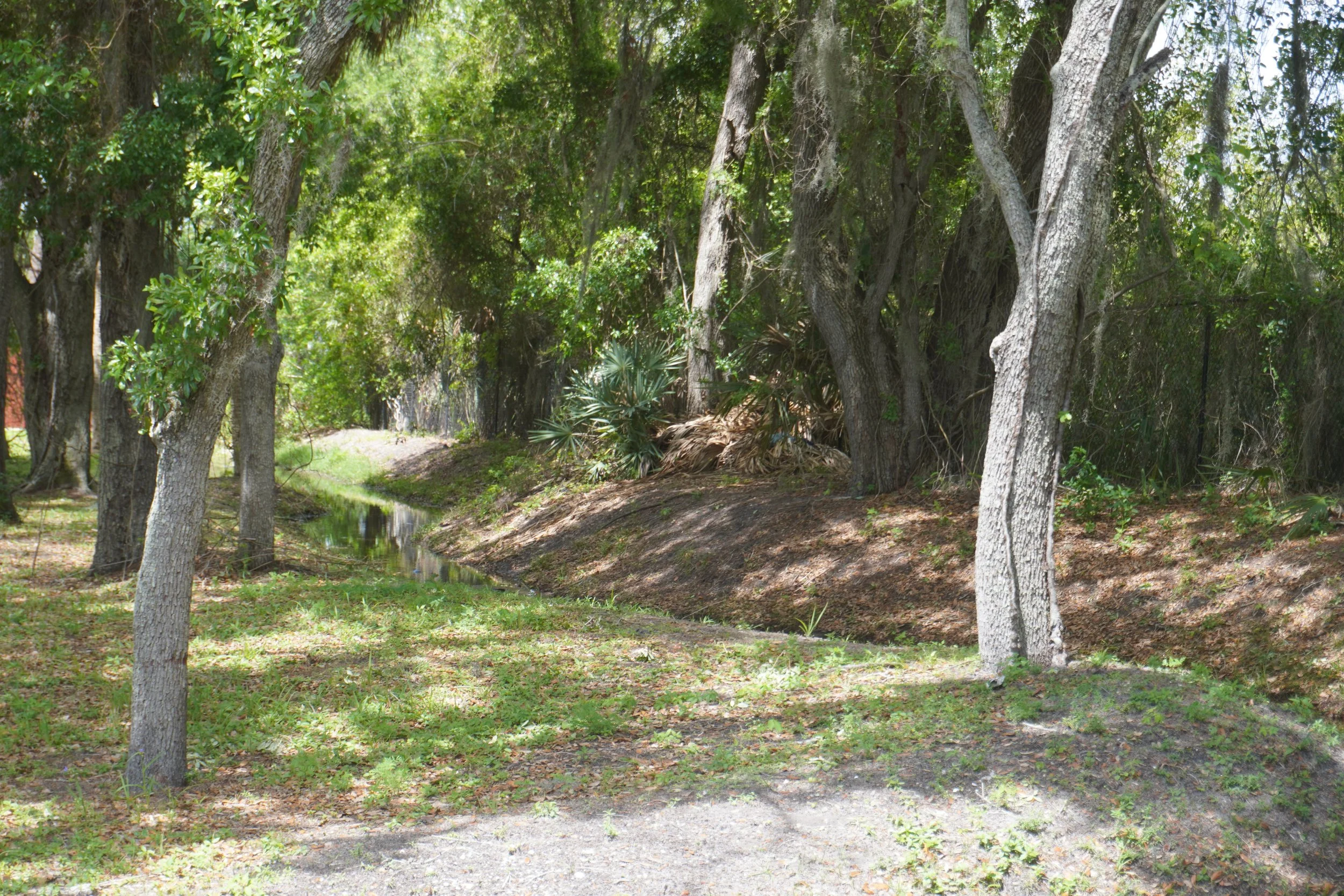
Walter’s world in images: the hidden shelter he built for survival, the fragile space he calls home, and the harsh outdoor conditions that shape daily life on the streets of Melbourne.
Source Attribution
Primary Source:
Interview with Walter Henry Regeski III conducted by Ricardo Stoyell, Melbourne, Florida, April 2026.
Photography:
Original field photography by Ricardo Stoyell.
Editorial Note
This article is part of ExposeTheSilence.org’s continuing investigative coverage of homelessness, systemic poverty, and barriers to recovery in Florida communities.
References
U.S. Department of Housing and Urban Development (HUD), Annual Homeless Assessment Report (AHAR) to Congress
https://www.huduser.gov/portal/datasets/ahar.html National Alliance to End Homelessness, Barriers to Employment and Housing for People Experiencing Homelessness
https://endhomelessness.org Florida Council on Homelessness, Annual Report and Statewide Homelessness Data
https://www.myflfamilies.com Primary interview conducted by Ricardo Stoyell with Walter Henry Regeski III, Melbourne, Florida, April 2026.
